Category: Travel in Japan

Travel guides, destinations, and tips for visiting Japan

  • Best Japanese Izakaya Guide 2026 | How to Order, Eat & Drink Like a Local

    Best Japanese Izakaya Guide 2026 | How to Order, Eat & Drink Like a Local

    What Is an Izakaya? Japan’s Ultimate Social Dining Experience

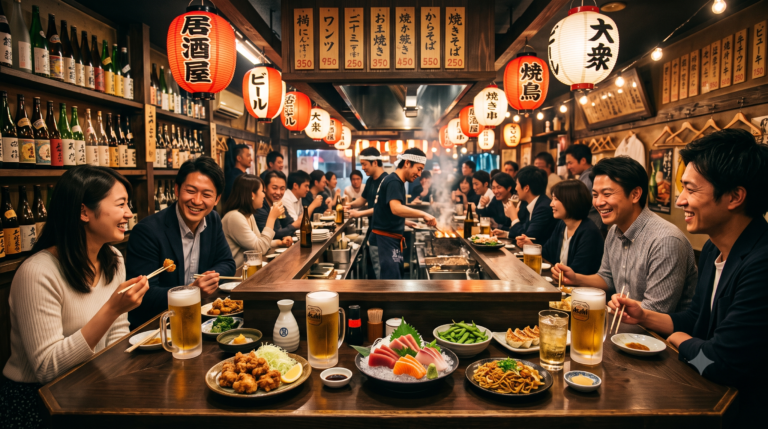
    If you’ve ever wandered through Japan’s glowing city streets at night and spotted warm, lively restaurants with red lanterns and the sound of clinking glasses and laughter spilling out — you’ve found an izakaya (居酒屋). Literally translating to “stay-sake-shop,” an izakaya is Japan’s answer to the gastropub: a casual, convivial spot where you eat, drink, and linger for hours with friends, family, or colleagues.

    Unlike a regular restaurant where you order one main dish and leave, izakaya dining is designed for sharing. You order multiple small dishes, keep the drinks flowing, and enjoy the laid-back atmosphere. It’s one of the most authentic Japanese social experiences you can have — and as a tourist or expat, stepping into an izakaya is stepping into the real everyday life of Japan.

    This guide covers everything you need to know: how to find a great izakaya, what to order, how to behave, and which chains are most beginner-friendly for non-Japanese speakers.

    🍻 Quick Facts About Izakaya
    • Average cost: ¥2,000–¥5,000 per person (including drinks)
    • Typical hours: 5pm–midnight (some open for lunch)
    • Minimum age: 20 years old for alcohol
    • Reservation: Usually not required, but recommended for groups of 5+
    • Smoking rules: Most modern izakaya are non-smoking or have separate sections

    How to Find a Great Izakaya

    Great izakaya are everywhere in Japan — inside train stations, on basement floors of office buildings, in small alleyways known as yokochō (横丁). Here’s how to find one worth visiting:

    Tabelog (食べログ) is the Japanese equivalent of Yelp and is the gold standard for finding restaurants. Filter by “居酒屋” (izakaya) and sort by rating. Anything above 3.5 stars is excellent. Google Maps also works well — just search “izakaya” near your location, filter by rating, and check the photos. HotPepper (ホットペッパー) is great for reservations, especially if you want a private room (個室, koshitsu) for a group.

    Look for these signs of a good izakaya: a chalkboard menu out front with seasonal specials, a slightly worn exterior (too polished often means tourist trap), locals eating inside, and the unmistakable smell of grilled yakitori.

    Entering an Izakaya: Step by Step

    Walking into an izakaya for the first time can feel daunting, but the process is straightforward once you know it.

    Step 1 — Irasshaimase! When you enter, staff will shout “いらっしゃいませ” (welcome). You don’t need to respond — just smile and hold up fingers to indicate your group size (futari = 2, san-nin = 3, etc.).

    Step 2 — Choose your seating type. Most izakaya offer counter seats (カウンター), table seats (テーブル), and tatami floor seating (座敷, zashiki). If you want a private room, ask for 個室 (koshitsu). Note: tatami seating requires removing shoes.

    Step 3 — The otoshi arrives. Almost every izakaya will bring a small appetizer called otoshi (お通し) or tsukidashi automatically. This is NOT free — it’s a standard table charge of ¥300–¥500 per person. Don’t try to return it; it’s just how izakaya work.

    Step 4 — Drinks first, then food. A server will immediately take your drink order. It’s standard to order drinks right away. The classic first drink is toriaezu biru (とりあえずビール) — “a beer for now” — while you look at the food menu.

    How to Order at an Izakaya

    Modern izakaya increasingly use tablet ordering systems, especially the big chains. You simply browse the touchscreen menu (often with photos and sometimes English), select your items, and confirm. Your food and drinks arrive at the table without needing to flag down staff.

    At smaller, traditional izakaya, you’ll order from a paper menu or chalkboard by calling “すみません” (sumimasen — excuse me) to get a server’s attention. Point at menu items if you don’t speak Japanese — staff are generally patient and accustomed to foreigners.

    Useful ordering phrases:

    • これをください (kore wo kudasai) — I’ll have this one, please
    • おすすめは何ですか (osusume wa nan desu ka) — What do you recommend?
    • もう一杯 (mō ippai) — One more drink
    • お会計お願いします (okaikei onegaishimasu) — Check, please
    • 辛くないもの (karakunai mono) — Something not spicy

    Must-Try Izakaya Dishes 2026

    Izakaya menus are vast. Here are the dishes you absolutely cannot miss:

    1. Yakitori (焼き鳥) — Grilled Chicken Skewers

    The cornerstone of izakaya cuisine. Chicken parts (thigh, breast, skin, cartilage, heart, liver) are skewered and grilled over charcoal. Order tare (sweet soy sauce glaze) or shio (salt). At a dedicated yakitori izakaya, you can easily order 10+ skewers between two people. Price: ¥80–¥200 per skewer.

    2. Edamame (枝豆) — Salted Soybeans

    The quintessential drinking snack. Boiled soybeans in the pod, salted and served warm or cold. Order these first — they arrive quickly and pair perfectly with beer. A classic izakaya staple at ¥250–¥400 per plate.

    3. Karaage (唐揚げ) — Japanese Fried Chicken

    Japan’s version of fried chicken is legendary. Marinated in soy sauce, sake, and ginger, then deep-fried to golden perfection. Served with lemon and sometimes Japanese mayo. Almost every izakaya has this — it’s universally loved and usually priced around ¥500–¥700 per plate.

    4. Gyoza (餃子) — Pan-Fried Dumplings

    Crispy on the bottom, juicy inside, packed with pork and cabbage. Dip in a mix of soy sauce, rice vinegar, and chili oil. Izakaya gyoza are different from ramen-shop gyoza — they tend to be larger and more indulgent. ¥350–¥600 per plate of 5–6 pieces.

    5. Sashimi Moriawase (刺身盛り合わせ) — Sashimi Platter

    A selection of fresh raw fish — typically tuna, salmon, yellowtail, squid, and seasonal specials. The quality at a good izakaya rivals sushi restaurants at a fraction of the price. A solid platter for 2 people runs ¥800–¥1,500.

    6. Tamagoyaki (だし巻き玉子) — Japanese Rolled Omelette

    A simple but revelatory dish. Layers of thin, sweet-savory egg rolled into a rectangular shape and served with grated daikon. It’s a good dish to gauge the quality of an izakaya — if the tamagoyaki is excellent, everything else will be too.

    7. Agedashi Tofu (揚げ出し豆腐) — Deep-Fried Tofu in Dashi Broth

    Silky tofu coated in a light starch, deep-fried, then served in a delicate dashi broth topped with grated daikon and bonito flakes. Perfect for vegetarians (though check if the dashi is fish-based). Light, elegant, and warming.

    8. Potato Salad (ポテサラ) — Japanese Potato Salad

    This might sound boring, but Japanese potato salad is a deeply beloved izakaya staple. Creamy, slightly sweet, with Japanese mayo, carrots, cucumber, and sometimes ham or corn. Once you try it at a great izakaya, you’ll understand why.

    Izakaya Drinks: What to Order

    Drinks are as important as food at an izakaya. Here’s your complete guide:

    Beer (ビール)

    The most popular izakaya drink. Major brands are Sapporo, Kirin Ichiban, Asahi Super Dry, and Suntory Premium Malt’s. Draft beer (生ビール, nama biru) is always the best choice. First-round beers are often on special promotions.

    Nihonshu / Sake (日本酒)

    Japan’s iconic rice wine. At a good izakaya, you’ll find local sake (地酒, jizake) from various prefectures. Drink it hiya (cold), nurukan (warm), or atsukan (hot). Ask the staff for their recommendation — they’ll often suggest something seasonal or local. A carafe (お猪口 with tokkuri) runs ¥600–¥1,200.

    Shochu (焼酎)

    A distilled spirit made from barley, sweet potato, or rice. Lower in calories than sake, higher in alcohol. Served on the rocks, straight, or mixed with water (お湯割り, oyuwari, with hot water — highly recommended in winter). Very popular with Japanese regulars.

    Chu-Hi / Sour (チューハイ・サワー)

    Shochu mixed with soda and flavored with lemon, grape, yuzu, or peach. Refreshing, low in cost (¥300–¥500), and beginner-friendly. The lemon sour (レモンサワー) is currently having a major moment in Japan — order one at least once.

    Highball (ハイボール)

    Japanese whisky (usually Suntory Kakubin) mixed with soda water over ice. Crisp, refreshing, and pairs beautifully with fried foods. One of the most ordered drinks at chain izakaya.

    Non-Alcoholic Options

    Oolong tea (ウーロン茶, ūron cha), green tea, soft drinks, and juice are always available. Don’t be embarrassed to order non-alcoholic drinks — it’s completely normal, especially for drivers or pregnant women.

    Izakaya Etiquette for Foreigners

    Izakaya are casual, but a few cultural norms will make your experience smoother:

    Toast properly: When your drinks arrive, wait until everyone has theirs, then raise your glass and say “乾杯!” (kanpai!). Make eye contact as you clink glasses — looking away during a kanpai is considered rude.

    Don’t pour your own drink: It’s customary to pour for others and let them pour for you. Keep an eye on your companions’ glasses and refill them when empty.

    Nomihodai rules (飲み放題, all-you-can-drink): Many izakaya offer nomihodai packages for ¥1,000–¥2,000 per person for a set time (usually 90–120 minutes). Order as much as you want within the time — but be aware the timer starts when you order, and you must stop drinking when it ends.

    Tipping: There is no tipping in Japan. It can actually cause embarrassment. The service charge (if any) is already on the bill.

    Splitting the bill: “Betsu-betsu” (別々) means split the bill. “Warikan” (割り勘) means split equally. At a casual izakaya, equally splitting is most common unless someone insists on treating the group.

    Volume: Izakaya are lively and loud — feel free to talk, laugh, and enjoy yourself. Unlike restaurants, there’s no pressure to be quiet.

    Best Izakaya Chains for Beginners 2026

    If you’re nervous about navigating a local izakaya alone, these well-known chains offer English menus, tablet ordering, and foreigner-friendly service:

    Torikizoku (鳥貴族) — The best value izakaya chain in Japan. Every item on the menu is ¥370 (including drinks). Yakitori-focused, no-frills, always packed with locals. Perfect for solo diners.

    Watami (和民) — A nationwide chain with extensive menus and English support at major tourist locations. Great for groups. Wide variety of food and drink options.

    Shirokiya (白木屋) — A Monteroza group chain with tablet ordering and a huge menu. Popular with young Japanese, often has nomihodai promotions.

    Uotami (魚民) — Seafood-focused chain by the same Monteroza group. Excellent sashimi and seafood dishes at mid-range prices.

    Tengu (天狗) — Known for its generous portions and strong nomihodai deals. Traditional wooden interior atmosphere.

    Kushikatsu Tanaka (串カツ田中) — Specializes in kushikatsu (skewered, deep-fried meats and vegetables, Osaka style). Famous rule: no double-dipping the shared sauce. Excellent chain for a unique izakaya experience.

    Tips for Vegetarians & Special Diets

    Being vegetarian at an izakaya is challenging but not impossible. The following are usually safe bets: edamame, agedashi tofu (confirm dashi broth is not fish-based), french fries, vegetable tempura, salads, and some grilled vegetable dishes (野菜焼き, yasai yaki).

    For allergies, the phrase “〇〇アレルギーがあります” ([allergen] arerugi ga arimasu) — “I have a [allergen] allergy” — is essential. Carry an allergy card in Japanese if you have severe allergies. The allergy kitchen card from the FARE organization is available in Japanese.

    Essential Sake & Japanese Drinks to Bring Home

    After falling in love with Japanese drinks at izakaya, you’ll want to bring some home. These are top picks available internationally:

    🍶 Hakutsuru Junmai Sake

    One of Japan’s best-selling sake brands for over 260 years. Hakutsuru Junmai has a clean, dry finish that pairs perfectly with any izakaya dish. Available in the US and internationally through Amazon.

    🥃 Suntory Toki Japanese Whisky

    The whisky used in Japan’s iconic highball. Suntory Toki is a blended whisky with hints of green apple, honey, and oak — light enough to enjoy with soda water, complex enough to sip neat. Perfect for recreating the izakaya highball at home.

    🍺 Sapporo Premium Beer Gift Set

    If you want to gift someone the izakaya beer experience, a Japanese beer gift set is the way to go. Sapporo, Kirin, and Asahi sets are available internationally and make excellent souvenirs or party gifts.

    Frequently Asked Questions

    Q: Do izakaya always require a cover charge?

    Most izakaya charge an otoshi (seat/cover charge) of ¥300–¥500 per person. It comes as a small appetizer. Some modern izakaya don’t charge this, but it’s standard practice — don’t be surprised when it appears on your bill.

    Q: Can I go to an izakaya alone?

    Absolutely. Solo dining (一人飲み, hitori nomi) is completely normal and even celebrated. Counter seating is ideal for solo diners. Torikizoku and small neighborhood izakaya are especially welcoming to solo visitors.

    Q: Is it rude to not drink alcohol at an izakaya?

    Not at all. Non-alcoholic drinks are available everywhere. The social experience of izakaya is about being together, not about how much alcohol you consume. Simply order oolong tea, juice, or a soft drink — no explanation needed.

    Q: What time do izakaya open and close?

    Most izakaya open around 5pm and close between midnight and 2am on weekdays, later on weekends. Some open for lunch (11:30am–2pm) as well, offering set meal deals. Last order is typically 30–60 minutes before closing time.

    Q: How much should I budget per person at an izakaya?

    ¥2,000–¥3,000 per person for a casual outing with 2–3 drinks and shared dishes. ¥4,000–¥6,000 for a more elaborate evening with premium sake and multiple courses. Nomihodai (all-you-can-drink) packages can be very good value if you plan to drink more than 2–3 drinks.

    Conclusion

    The izakaya is more than just a restaurant — it’s the heartbeat of Japanese social life. Whether you’re a tourist experiencing Japan for the first time or an expat settling into a new life, making izakaya a regular part of your evenings will open doors to the warmest, most authentic side of Japanese culture. Go early, order freely, drink at your pace, and let the night unfold. 乾杯!

  • Best Day Trips from Tokyo 2026: Top 5 Easy Escapes for Tourists & Expats

    Best Day Trips from Tokyo 2026: Top 5 Easy Escapes for Tourists & Expats

    Why Day Trips from Tokyo Are a Must-Do in 2026

    Tokyo is endlessly fascinating — but Japan’s exceptional rail network means you can escape the city, explore somewhere completely different, and be back in your hotel before midnight. In 2026, day trips from Tokyo remain one of the most searched activities for tourists and long-term expats alike. Most top destinations are 30 minutes to 2 hours away, and with a Suica IC card or the right rail pass, getting there is seamless.

    Whether you crave Mt. Fuji views, ancient UNESCO temples, coastal seafood towns, or the most atmospheric Chinatown in Asia, there’s a perfect day trip waiting just outside Tokyo’s borders. This guide covers the five best options with practical 2026 transport details, costs, and tips.

    How to Choose the Right Day Trip

    1. Know Your Travel Time

    Yokohama is 30–40 minutes from Shibuya. Kamakura takes about an hour. Hakone or Kawaguchiko need 90 minutes each way. Nikko is 2+ hours. Plan your whole day around transit so you’re not rushing at either end.

    2. Check the Season

    Mt. Fuji is most visible October through February. Kamakura’s cherry blossoms peak in late March. Autumn leaves at Nikko (late October to mid-November) are world-class. Summer is beach season at Kamakura — arrive before 9am or expect massive crowds.

    3. Match Your Interests

    History lovers should prioritize Nikko or Kamakura. Nature seekers will love Hakone’s volcanic landscapes or Kawaguchiko’s Fuji views. Foodies and cosmopolitan vibes → Yokohama Chinatown. Thrill-seekers → Fujikyu Highland near Kawaguchiko.

    4. Factor in Budget

    Kamakura is extremely budget-friendly — most temples are ¥200–¥500, and you can walk between sites for free. Nikko’s shrine complex entrance, Hakone Free Pass, or Kawaguchiko buses add up to ¥5,000–¥12,000 before food. Build in extra for day passes that cover local transport.

    5. Avoid Peak Crowds

    Weekdays are dramatically calmer at every destination. On weekends, arriving before 9am gives you 2–3 golden hours before tour buses arrive. The Chureito Pagoda at Kawaguchiko and Kamakura’s Great Buddha fill up fast after 10am.

    Top 5 Day Trips from Tokyo 2026

    1. Hakone — Mt. Fuji Views & Hot Springs

    Hakone is the quintessential Tokyo day trip: volcanic scenery, traditional hot spring culture, and — on clear days — jaw-dropping Mt. Fuji views across Lake Ashi. The Romancecar express from Shinjuku arrives in about 85 minutes. The Hakone Free Pass (around ¥6,100 from Shinjuku, ¥4,600 from Odawara) covers the mountain cog railway, ropeway over the volcanic crater at Owakudani, and the Lake Ashi cruise — exceptional value for a day’s transport.

    The Hakone Open-Air Museum is one of Japan’s finest outdoor sculpture parks, with a full Picasso pavilion alongside massive international sculptures in a mountain setting. Day-use onsen bathing is available at dozens of ryokan from around ¥1,500. The “kuro tamago” (black eggs hard-boiled in volcanic steam at Owakudani) and fresh soba noodles are must-try local foods.

    In 2026, the Hakone Ropeway continues running with updated cars, giving spectacular views over the active volcanic crater. Book Romancecar tickets in advance on weekends and golden week — they sell out weeks ahead.

    DetailsInfo
    From TokyoShinjuku → Odawara (Romancecar 70 min) → Hakone-Yumoto
    Total transit~90 minutes each way
    Best seasonOct–Feb (Fuji views), all year for onsen
    Daily budget¥8,000–¥18,000 per person
    Top sightsLake Ashi, Ropeway, Open-Air Museum, Onsen

    ✅ Why Hakone is Worth It

    • Japan’s most famous and easiest scenic day trip
    • Hakone Free Pass covers nearly all transport
    • Mt. Fuji reflections on Lake Ashi are iconic
    • Multiple onsen for day-use bathing
    • World-class outdoor art museum
    • Excellent food and souvenir scene

    ⚠️ Watch Out For

    • Mt. Fuji hidden by clouds more often than not
    • Extremely crowded weekends and holidays
    • Ropeway sometimes closes for volcanic activity checks

    Best for: First-timers, couples, onsen fans, families with older kids

    • 🗻 Iconic Mt. Fuji photo opportunities
    • ♨️ Day-use onsen bathing from ¥1,500
    • 🎨 Hakone Open-Air Museum
    • 🚠 Active volcanic crater ropeway ride

    2. Kamakura — Giant Buddha & Coastal Temples

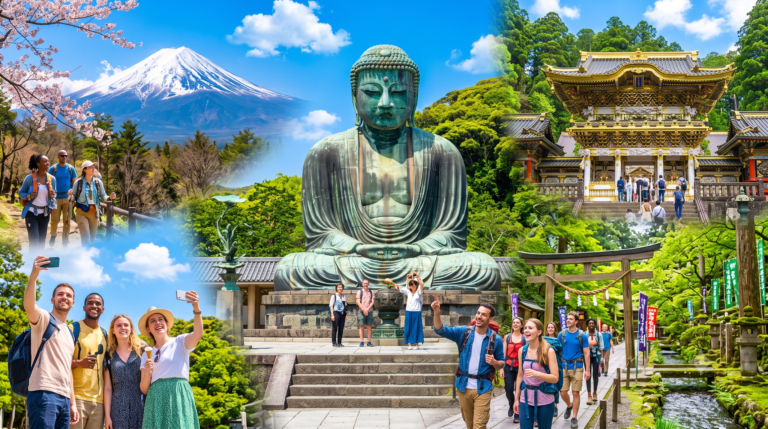
    Kamakura is Tokyo’s most accessible historical escape — just 60 minutes south by the Shonan-Shinjuku Line. This former 12th-century capital still feels sacred, with 70+ temples and shrines tucked into forested hills that meet the Pacific Ocean. The iconic Great Buddha (Kotoku-in) at 13.35 meters tall is a UNESCO-registered treasure you can walk inside for just ¥20 extra.

    The bamboo grove at Hokokuji temple is one of Japan’s most photographed spots — arrive at opening (9am) to get shots without crowds. Hase-dera temple offers sweeping ocean views from its hillside garden. The retro Enoshima Electric Railway (Enoden) connects Kamakura to the beach towns and Enoshima Island, where fresh seafood and a lighthouse tower await.

    In 2026, Kamakura remains the best budget-value day trip from Tokyo. The “Great Buddha Hiking Course” between temples is free and runs through forested valleys. Shirasu (whitebait) rice bowls are the local specialty — don’t leave without trying one at a restaurant near Kamakura Station.

    DetailsInfo
    From TokyoShibuya → Kamakura, Shonan-Shinjuku Line (60 min)
    Total transit~60 minutes each way
    Best seasonSpring (cherry blossoms), Autumn (foliage)
    Daily budget¥3,000–¥8,000 per person
    Top sightsGreat Buddha, Hokokuji Bamboo, Hase-dera, Enoshima

    ✅ Why Kamakura is Worth It

    • Closest major historical day trip (60 min)
    • Most budget-friendly option — temples from ¥200
    • Beautiful coastal scenery alongside history
    • Fresh shirasu seafood bowls are unique
    • Walkable between most major sights
    • Enoshima Island adds a beach element

    ⚠️ Watch Out For

    • Extremely crowded on weekends year-round
    • Hilly terrain — wear comfortable shoes
    • Narrow streets get gridlocked with tourists on peak days

    Best for: History buffs, photographers, budget travelers, anyone wanting a beach element

    • 🗿 Iconic 13m Great Buddha statue
    • 🎋 Hokokuji bamboo grove (arrive early)
    • 🌊 Pacific coast views and fresh seafood
    • 🚃 Enoshima Electric Railway ride

    3. Nikko — UNESCO World Heritage Temples in the Mountains

    Nikko takes the most commitment of the five trips here — about 2 hours from Asakusa by the Tobu Nikko Line — but delivers something no other day trip can: a UNESCO World Heritage shrine complex that feels almost fairytale-elaborate, set in a cedar forest. The Tosho-gu Shrine is encrusted with gold leaf carvings, painted in vivid colors, and surrounded by 400-year-old trees. The famous “see no evil, hear no evil, speak no evil” monkey carvings live here.

    Beyond the main shrine area, Nikko National Park offers Kegon Falls (97 meters — one of Japan’s three great waterfalls), crystal-clear Lake Chuzenji at 1,269m altitude, and in autumn, some of the most spectacular fall foliage anywhere in Japan. The Nikko Pass (¥4,520 from Tobu Asakusa, 2 days) covers all trains and buses in the area.

    In 2026, Nikko’s autumn leaf season (late October to early November) remains one of Japan’s most memorable experiences. Book transport and any accommodation early — the town fills weeks in advance during peak koyo season. Even as a day trip, arrive by 9am to see Tosho-gu before tour groups arrive.

    DetailsInfo
    From TokyoAsakusa → Nikko, Tobu Nikko Line (120–140 min)
    Total transit~2 hours each way
    Best seasonLate Oct–Nov (autumn leaves), April–May (spring)
    Daily budget¥7,000–¥15,000 per person
    Top sightsTosho-gu Shrine, Kegon Falls, Lake Chuzenji

    ✅ Why Nikko is Worth It

    • UNESCO World Heritage status — truly unique
    • Tosho-gu Shrine is among Japan’s most spectacular
    • Stunning national park with waterfalls and lakes
    • World-famous autumn foliage season
    • Less visited on weekdays than Hakone or Kamakura
    • Excellent for a full day — lots to see

    ⚠️ Watch Out For

    • Farthest trip — 2+ hours each way is tiring
    • Shrine entrance fees add up (~¥2,100 total)
    • Autumn season is extremely crowded

    Best for: History enthusiasts, nature lovers, photographers, repeat Tokyo visitors

    • ⛩️ Tosho-gu Shrine’s elaborate gold carvings
    • 🍁 World-class autumn foliage (Oct–Nov)
    • 💧 Kegon Falls — Japan’s top waterfall
    • 🏔️ Alpine scenery at Lake Chuzenji

    4. Yokohama — Japan’s Most International Port City

    Yokohama is just 30 minutes from Shibuya by the Tokyu Toyoko Line, making it the easiest dramatic change-of-scene from Tokyo. Japan’s second-largest city has a completely different personality from the capital — a cosmopolitan port with the best Chinatown in Asia, a stunning modern waterfront, and world-class museums clustered around Minato Mirai 21.

    Yokohama Chinatown (Chukagai) spans 600 restaurants and shops: steamed buns from doorway vendors, Cantonese roasted meats, and red-and-gold temple gates create a vivid atmosphere unlike anything else in Japan. Walk five minutes to the Minato Mirai waterfront for the iconic Cosmo Clock 21 Ferris wheel, the Red Brick Warehouse shopping complex, and sweeping harbor views. The Cup Noodles Museum (¥500 entry) lets you design your own custom instant noodle cup — a uniquely Japanese experience.

    In 2026, Yokohama continues to develop the Minato Mirai area with new restaurants, event spaces, and seasonal festivals. It’s an excellent half-day trip combined with an afternoon in a different part of Tokyo, or a full-day exploration that covers Chinatown, the waterfront, and the Sankeien traditional garden.

    DetailsInfo
    From TokyoShibuya → Yokohama, Tokyu Toyoko Line (30–40 min)
    Total transit~35 minutes each way
    Best seasonAll year, especially for festivals (summer/winter)
    Daily budget¥3,000–¥8,000 per person
    Top sightsChinatown, Minato Mirai, Red Brick Warehouse, Cup Noodles Museum

    ✅ Why Yokohama is Worth It

    • Closest major day trip — just 30–40 minutes
    • Asia’s best Chinatown
    • Stunning harbor waterfront and architecture
    • Rich food scene: Chinese, craft beer, fresh seafood
    • Great for families, couples, and groups
    • Easy to add to a Tokyo itinerary without a full day

    ⚠️ Watch Out For

    • Feels more urban than a “nature escape”
    • Chinatown extremely crowded on weekends
    • Might feel similar to Tokyo for some visitors

    Best for: Food lovers, families, first-time visitors, shoppers, half-day trippers

    • 🥟 Asia’s most famous Chinatown
    • 🎡 Minato Mirai Ferris wheel views
    • 🍜 Custom Cup Noodles Museum experience
    • ⚓ Scenic harbor waterfront walk

    5. Kawaguchiko — The Ultimate Mt. Fuji Photo Destination

    If your number-one goal is a postcard-perfect photo of Mt. Fuji, Kawaguchiko (Lake Kawaguchi) is your destination. One of the famous Fuji Five Lakes, Kawaguchi offers the iconic mirror reflection of Japan’s sacred mountain on calm mornings, and multiple world-famous viewpoints including the Chureito Pagoda — a 398-step climb repaid by arguably the most iconic view in Japan.

    Getting there takes about 1.5 hours from Shinjuku by Fuji Express or Keio Highway Bus (around ¥1,750 each way). In summer (early July to mid-September), this is the gateway to Mt. Fuji climbing via the 5th Station buses, while year-round, cycling around the lake (rental bikes ~¥500/hour) is a highlight. Fujikyu Highland amusement park nearby is famous for some of the world’s most extreme roller coasters.

    In 2026, overtourism management is in place at the most crowded viewpoints. The famous Lawson convenience store view has a permanent barrier, but the Chureito Pagoda and the northern lake shore remain open and rewarding — just arrive by 7am on weekends for the best light and fewest people. Visibility is best October through February on clear days.

    DetailsInfo
    From TokyoShinjuku → Kawaguchiko, Keio Bus (90–100 min)
    Total transit~90 minutes each way
    Best seasonOct–Feb (best Fuji visibility), Jul–Aug (climbing season)
    Daily budget¥5,000–¥12,000 per person
    Top sightsChureito Pagoda, Lake Kawaguchi, Fujikyu Highland

    ✅ Why Kawaguchiko is Worth It

    • Best place for iconic Mt. Fuji photography
    • Mirror lake reflections are breathtaking
    • Chureito Pagoda view is bucket-list level
    • Cycling around the lake is a highlight activity
    • Gateway to Fuji climbing in summer
    • Fujikyu Highland for thrill-seekers

    ⚠️ Watch Out For

    • Fuji frequently hidden by clouds (especially summer)
    • New overtourism restrictions at some viewpoints
    • Highway buses sell out fast during peak season

    Best for: Mt. Fuji fans, photographers, hikers, thrill-seekers, bucket-list travelers

    • 🗻 Japan’s most iconic Mt. Fuji photography
    • 🚲 Lake Kawaguchi cycling route
    • ⛩️ Chureito Pagoda sunrise shots
    • 🎢 Fujikyu Highland extreme rides

    Comparison: Which Day Trip is Right for You?

    DestinationTransit TimeBest ForEst. CostCrowd Level
    Hakone90 minMt. Fuji views + Onsen¥8,000–¥18,000High (weekends)
    Kamakura60 minHistory + Coast¥3,000–¥8,000Very High (weekends)
    Nikko120 minUNESCO Temples¥7,000–¥15,000Moderate–High
    Yokohama35 minFood + Harbor¥3,000–¥8,000High (Chinatown)
    Kawaguchiko90 minMt. Fuji Photos¥5,000–¥12,000High (weekends)

    Essential Tips for Day Trips from Tokyo

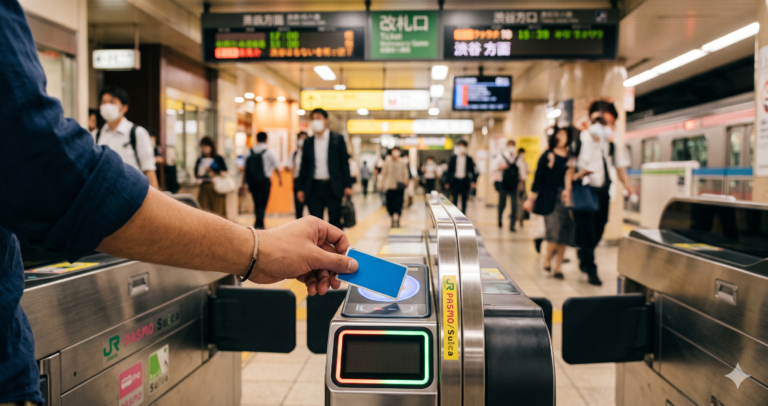
    Always load your Suica IC card before leaving — it works on local trains and buses at all five destinations. For Nikko and Hakone, dedicated day passes cover all local transport and are worth buying. Keep your Suica topped up to at least ¥3,000 before departing Tokyo.

    Carry cash: rural areas near Kawaguchiko and some Nikko eateries have limited card acceptance. 7-Eleven and Lawson ATMs accept most international cards. Download Google Maps offline before departure — signal can be patchy in mountain areas. Pack a small rain poncho (available at any convenience store for ¥500) as mountain weather shifts quickly.

    Book weekend transport early: Hakone Romancecar and Kawaguchiko buses fill up 1–2 weeks in advance during golden week, cherry blossom season, and autumn leaf season. Apps like Japan Bus Online and Odakyu’s website let you reserve seats in advance. Departing before 8am on weekends gives you golden hours at every destination before the day-tripping crowds arrive.

    Ad / PR: This section contains affiliate links

    🎫 Book Day Tours & Activities in Advance

    Popular day trips (Hakone, Nikko, Mt. Fuji, Kamakura) sell out fast in peak season. Compare guided tours and skip-the-line tickets on these booking platforms.

    VELTRA — Day Tours from TokyoKKday — Tickets & Activities
  • Best Japanese Souvenirs 2026 | Top 5 Omiyage Picks Tourists Love

    Best Japanese Souvenirs 2026 | Top 5 Omiyage Picks Tourists Love

    📝 AI-Assisted Content Notice
    This article was created with AI writing assistance (ChatGPT, Claude, etc.). Product selection, specifications, and reviews are verified by the Japan Life Lab editorial team.
    Navi
    Navi

    I’m heading to Japan soon — what souvenirs should I actually buy? There’s so much to choose from!

    Gaje
    Gaje

    Japan has the best omiyage (gift culture) in the world! From matcha sweets to traditional crafts, these 5 picks are guaranteed crowd-pleasers that you can only find in Japan!

    Japan’s gift-giving culture — called omiyage (お土産) — is an art form. Whether you’re shopping for friends back home or treating yourself, certain Japanese souvenirs stand out for their quality, uniqueness, and that unmistakably Japanese aesthetic. In 2026, these are the top picks that tourists rave about.

    How to Choose the Perfect Japanese Souvenir

    Not all omiyage are created equal. Here’s what to look for when shopping in Japan:

    1. Regional Exclusivity

    The best souvenirs are things you genuinely can’t find outside Japan (or outside a specific region). Tokyo Banana, for example, is only sold in Tokyo. This exclusivity makes them special — your friends know you actually went there.

    2. Shelf Life & Portability

    Many Japanese sweets have a surprisingly short shelf life (3–5 days). For international travelers, look for items with at least 2–3 weeks of shelf life, or opt for non-food items like crafts and textiles.

    3. Authentic Japanese Craftsmanship

    Japanese artisans are known for meticulous attention to detail. Traditional items like lacquerware, tenugui cloth, and ceramics carry centuries of craft tradition — far more meaningful than generic tourist trinkets.

    4. Price Range

    Souvenirs in Japan range from ¥200 convenience store finds to ¥50,000+ premium ceramics. Budget ¥1,000–¥5,000 per person for quality items that won’t feel cheap.

    5. Where You Buy Matters

    Department store basement floors (depachika), specialty shops in Tokyo’s Ginza, Kyoto’s Nishiki Market, and airport duty-free all offer different selections. Don’t leave souvenir shopping to the last minute — airport prices are higher and selection is limited.

    Top 5 Best Japanese Souvenirs 2026

    1. Japanese Matcha KitKat & Pocky Set

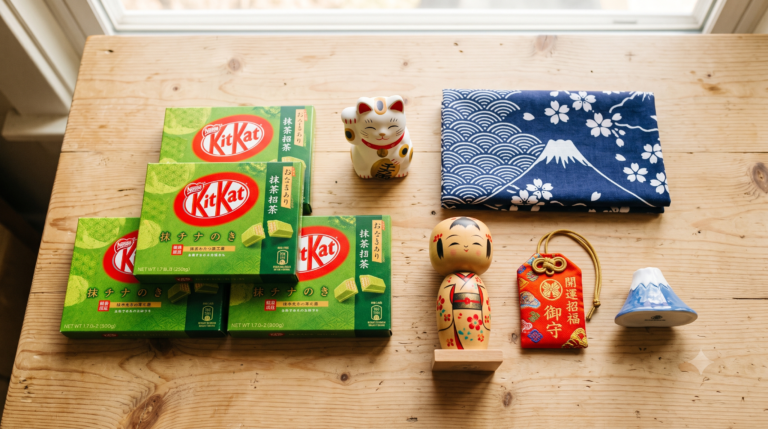
    Japan’s limited-edition snack flavors are legendary. Matcha KitKat has achieved global cult status — the green tea chocolate is subtly sweet with a distinctly Japanese flavor profile. Combine with Matcha Pocky for the ultimate Japanese snack gift box. Available at convenience stores (7-Eleven, FamilyMart, Lawson), Don Quijote, and major airports.

    The seasonal flavors (sakura, houjicha, purple sweet potato) are only available for limited periods — grab them when you see them! A gift box set typically runs ¥1,500–¥3,000 and is the single most requested Japanese souvenir from travelers’ friends and family.

    Item Details
    Price Range ¥1,000–¥3,500
    Shelf Life 3–6 months
    Where to Buy Convenience stores, Don Quijote, airports
    Best For Everyone — coworkers, friends, family
    TSA-Friendly Yes (solid food)

    ✅ Why We Recommend It

    • Iconic Japanese product with genuine cult following worldwide
    • Dozens of Japan-exclusive flavors you can’t find overseas
    • Affordable price point — perfect for buying in bulk
    • Long shelf life for international travel
    • Available everywhere in Japan — easy to find
    • Gift-box sets look beautiful right out of the store

    ⚠️ Things to Consider

    • Extremely popular = friends/family may have received it before
    • Limited flavors vary by season and region
    • Chocolate melts in high heat — pack carefully in summer

    ⭐ Tourist Reviews

    “Bought 20 boxes of matcha KitKat for the office — they were gone in minutes! Everyone wanted to know where to get more.” — Sarah M., Australia

    ★★★★★

    🎁 Who Should Buy This

    • Budget-conscious shoppers needing multiple gifts
    • Office/coworker gift buyers (easy to share)
    • Snack lovers and Japanese food enthusiasts
    • Anyone who wants a universally loved Japan souvenir
    Gaje
    Gaje

    The matcha flavor is the undisputed champion — but don’t sleep on the houjicha (roasted green tea) KitKat if you find it. It’s next level!

    2. Tokyo Banana (東京ばな奈)

    Tokyo Banana is arguably Japan’s most famous regional souvenir sweet. These sponge cakes filled with banana custard cream are sold exclusively at Tokyo train stations and airports — you genuinely cannot buy them anywhere else. The packaging is distinctive and gorgeous, making them feel premium even at a moderate price point.

    First released in 1991, Tokyo Banana has become a Tokyo institution. The seasonal flavors (leopard print, sakura, maple) are collector favorites. A box of 8 costs around ¥950, making them perfect for buying multiple boxes without breaking the bank.

    Item Details
    Price ¥950–¥2,200 (box of 8–16)
    Shelf Life 7–14 days
    Exclusive To Tokyo stations & Narita/Haneda airports
    Best For Anyone who loves Japanese sweets
    Flavor Banana custard cream in sponge cake

    ✅ Why We Recommend It

    • Iconic Tokyo-exclusive souvenir — truly can’t buy outside Tokyo
    • Beautiful packaging that looks expensive (it isn’t)
    • Delicious custard cream filling — universally loved flavor
    • Multiple size options (8-pack to 16-pack)
    • Seasonal limited editions are highly collectible
    • Huge brand recognition — recipients will be impressed

    ⚠️ Things to Consider

    • Shorter shelf life (7–14 days) — not ideal for long trips home
    • Contains egg/milk — not vegan-friendly
    • Sold only in Tokyo, so you can’t pick it up elsewhere in Japan

    ⭐ Tourist Reviews

    “Tokyo Banana is the souvenir I’ve bought every single time I’ve visited Japan. My family now expects it! The leopard print edition is the best.” — James T., UK

    ★★★★★

    🎁 Who Should Buy This

    • Visitors to Tokyo who want THE quintessential Tokyo souvenir
    • Sweet-tooth friends and family back home
    • Anyone who appreciates beautiful Japanese packaging
    • Collectors of limited-edition seasonal flavors
    Gaje
    Gaje

    Grab Tokyo Banana at Shibuya or Shinjuku Station — they’re at dedicated kiosks in the main shopping areas. Don’t wait until the airport; selection and freshness are better at the station shops!

    3. Japanese Tenugui (Traditional Cloth)

    Tenugui (手ぬぐい) are thin, flat cotton towels used for everything in Japan — wiping hands, wrapping gifts, decorating walls, or wearing as headbands. Modern tenugui feature stunning traditional Japanese designs: cherry blossoms, waves, koi fish, geometric patterns, and even manga-inspired artwork.

    Unlike thick towels, tenugui dry incredibly fast (perfect for travel) and are endlessly versatile. Premium hand-dyed tenugui from shops like Kapital or Hamacho in Tokyo make genuinely beautiful wall art. Prices range from ¥500 at tourist shops to ¥3,000+ for artisan-dyed pieces.

    Item Details
    Price Range ¥500–¥3,500
    Material 100% cotton (hand-dyed for premium)
    Size Approx. 35cm × 90cm
    Best For Eco-conscious shoppers, art lovers
    Where to Buy Craft stores, department stores, tourist shops

    ✅ Why We Recommend It

    • Lightweight and flat — perfect for packing in a suitcase
    • Gorgeous traditional Japanese designs and patterns
    • Incredibly versatile — towel, wrapping cloth, wall art
    • Eco-friendly and zero waste (no packaging needed)
    • Affordable at all price points
    • Truly unique Japanese craft with centuries of history

    ⚠️ Things to Consider

    • May need explanation — some recipients won’t know what it is
    • Premium hand-dyed versions require hand washing
    • Edges are intentionally unfinished (fringe may appear)

    ⭐ Tourist Reviews

    “I bought 10 tenugui as gifts and framed one for myself. They’re now my go-to Japan souvenir — lightweight, beautiful, and people always want to know more about them!” — Maria S., Spain

    ★★★★★

    🎁 Who Should Buy This

    • Design-conscious friends who appreciate Japanese aesthetics
    • Eco-friendly/zero waste lifestyle enthusiasts
    • Travelers packing light (no added weight)
    • Anyone who wants a souvenir that doubles as functional art
    Gaje
    Gaje

    The Kamawanu shop in Harajuku specializes entirely in tenugui — over 100 designs including seasonal patterns. It’s the best place in Tokyo for a high-quality tenugui!

    4. Japanese Lacquerware (Urushi Chopsticks & Bento Box)

    Japanese urushi lacquerware (漆器) is the gold standard of functional Japanese crafts. A pair of handcrafted lacquered chopsticks or a lacquer bento box is a souvenir that will last decades with proper care. The deep, lustrous finish and traditional Japanese patterns make these genuinely beautiful objects that recipients will treasure.

    For practical gifting, premium chopstick sets (2 pairs boxed with rests) are ideal — they fit in any luggage, look impressive, and cost ¥2,000–¥8,000 for quality pieces. Kyoto’s Nishiki Market and the Tokyu Hands stores throughout Japan have excellent selections.

    Item Details
    Price Range ¥2,000–¥15,000
    Material Wood with urushi lacquer coating
    Durability Decades with proper care
    Best For Foodies, home decor enthusiasts
    Care Hand wash only, no dishwasher

    ✅ Why We Recommend It

    • Genuine Japanese craft with centuries of tradition
    • Incredibly durable — lasts decades with care
    • Functional AND beautiful — used daily or displayed
    • Wide range of price points to match any budget
    • Chopstick sets are perfectly sized for luggage
    • Recognized worldwide as quintessentially Japanese

    ⚠️ Things to Consider

    • Requires hand washing (no dishwasher)
    • Quality pieces can be expensive (¥5,000+)
    • Heavier items (bento boxes) add luggage weight

    ⭐ Tourist Reviews

    “I bought my parents a set of lacquered chopsticks from a small shop in Kyoto. They’ve used them every week for 3 years and they still look brand new. Best souvenir decision I ever made.” — David K., Canada

    ★★★★★

    🎁 Who Should Buy This

    • Food enthusiasts who cook Asian cuisine
    • People who appreciate traditional craftsmanship
    • Premium gift recipients (boss, close family)
    • Anyone looking for a lasting, functional souvenir
    Gaje
    Gaje

    Wajima lacquerware from Ishikawa Prefecture is considered the finest in Japan. If you’re in the Kanazawa area, it’s worth splurging on a genuine Wajima piece — it’s an heirloom souvenir!

    5. Japanese Wagashi Assortment (Traditional Sweets)

    Wagashi (和菓子) are Japan’s traditional confections — edible works of art that celebrate the seasons. From sakura mochi in spring to chestnut yokan in autumn, these sweets are served with green tea at Japanese tea ceremonies and are deeply embedded in Japanese culture.

    A beautifully boxed wagashi assortment from a reputable confectionery (like Toraya, Nagasaki, or Kyoto’s Yatsuhashi) makes a sophisticated, impressive gift. The combination of beautiful packaging, seasonal motifs, and unique flavors creates an experience that’s impossible to replicate outside Japan.

    Item Details
    Price Range ¥1,500–¥6,000 (assortment box)
    Shelf Life Varies (1 week to 6 months depending on type)
    Types Mochi, yokan, dorayaki, nerikiri, etc.
    Best For Food enthusiasts, culture lovers
    Where to Buy Department stores, specialty wagashi shops

    ✅ Why We Recommend It

    • Uniquely Japanese — nothing quite like this outside Japan
    • Visually stunning — often shaped like flowers, leaves, animals
    • Premium packaging makes it feel like a luxury gift
    • Wide variety of flavors for adventurous palates
    • Dry wagashi (yokan, senbei) have long shelf life for travel
    • Perfect pairing with Japanese green tea (which you can also gift!)

    ⚠️ Things to Consider

    • Fresh wagashi (namagashi) have very short shelf life (1–3 days)
    • Unusual flavors (red bean paste) not for everyone
    • Premium shops can be expensive for larger gift boxes

    ⭐ Tourist Reviews

    “I bought a Toraya wagashi box from their Roppongi Hills branch as a gift for my host family. They were moved to tears — apparently it’s a very prestigious brand. The packaging alone was museum-worthy.” — Emma L., France

    ★★★★★

    🎁 Who Should Buy This

    • Foodies and culinary adventurers
    • People who appreciate Japanese culture and aesthetics
    • Tea ceremony enthusiasts
    • Premium gift recipients who enjoy unique experiences
    Gaje
    Gaje

    Kyoto Yatsuhashi (生八ツ橋) is the most famous regional wagashi — triangular mochi filled with cinnamon paste. The green tea (matcha) and sweet potato flavors are personal favorites!

    Japanese Souvenirs Comparison

    Souvenir Price Shelf Life Uniqueness Universal Appeal
    🍫 Matcha KitKat Set ¥1,000–3,500 3–6 months ⭐⭐⭐⭐ ⭐⭐⭐⭐⭐
    🍌 Tokyo Banana ¥950–2,200 7–14 days ⭐⭐⭐⭐⭐ ⭐⭐⭐⭐⭐
    🎨 Tenugui Cloth ¥500–3,500 Forever ⭐⭐⭐⭐⭐ ⭐⭐⭐⭐
    🥢 Lacquerware ¥2,000–15,000 Decades ⭐⭐⭐⭐⭐ ⭐⭐⭐⭐
    🍡 Wagashi Box ¥1,500–6,000 1 week–6 months ⭐⭐⭐⭐⭐ ⭐⭐⭐

    Final Thoughts

    Navi
    Navi

    So which one should I prioritize if I can only buy a few things?

    Gaje
    Gaje

    For mass gifting (coworkers, acquaintances): Matcha KitKat sets. For close family: Tokyo Banana + one lacquerware item. For a special someone: premium wagashi box with a matching tenugui wrap. You literally cannot go wrong with any of these!

    Japan’s omiyage culture means that giving and receiving gifts thoughtfully is part of daily life. The best Japanese souvenirs aren’t just objects — they’re a piece of Japanese culture, craftsmanship, and heart that you’re sharing with people back home.

    Whether you choose the universally beloved Matcha KitKat, the iconic Tokyo Banana, a handcrafted tenugui, beautiful lacquerware, or a delicate wagashi assortment, your friends and family are in for a genuine treat. Budget ¥10,000–¥20,000 for a selection of all five, and you’ll be the most popular person back home.

  • Best Japanese Ramen Guide 2026 | 5 Must-Try Styles for Tourists & Expats

    Best Japanese Ramen Guide 2026 | 5 Must-Try Styles for Tourists & Expats

    Introduction: Why Ramen is Japan’s Soul Food

    Few foods define Japan’s culinary identity like ramen (ラーメン). What started as Chinese-influenced noodle soup became, over decades, one of the world’s most celebrated comfort foods — with Japan taking it to extraordinary heights of craftsmanship and regional diversity.

    Today, Japan has over 30,000 ramen restaurants, and the country boasts dedicated ramen museums, ramen-themed amusement parks, and neighborhoods so dense with noodle shops that even locals debate which bowl is best. For tourists and expats, navigating this world can feel overwhelming — but incredibly rewarding.

    This guide breaks down everything you need to know: the major ramen styles, where to eat in Japan’s cities, how to order, regional specialties, and etiquette tips that’ll make you look like a regular from day one.

    🍜 Quick Ramen Facts:
    • Average bowl of ramen: ¥800–¥1,500
    • Most restaurants open: 11:00–23:00 (varies)
    • Common wait times at top spots: 30–90 minutes
    • Ticket vending machine (食券機) used at most restaurants
    • Slurping your noodles is not only acceptable — it’s encouraged

    How to Order Ramen in Japan (Step-by-Step)

    Ordering ramen in Japan can feel intimidating at first, especially at traditional shops where everything is in Japanese. Here’s the process, step by step:

    Step 1: Find Your Seat (or Join the Queue)

    At popular ramen shops, expect a queue outside — especially at lunch (12:00–13:30) and dinner (18:30–21:00). Some restaurants give you a numbered ticket to hold your spot. Solo diners often get priority since counter seating fills faster.

    Step 2: Use the Ticket Vending Machine (食券機)

    Most ramen shops use a food ticket vending machine (食券機, shokken-ki) near the entrance. You select your ramen type, pay, and receive a paper ticket. Hand this to the staff when seated. Modern machines often have English options or picture menus.

    Step 3: Customize Your Bowl

    Staff will typically ask for your preferences. Common customization options include:

    • Noodle firmness (麺の硬さ): 柔らかめ (soft) / 普通 (normal) / 硬め (firm) / バリカタ (very firm)
    • Broth richness (濃さ): 薄め (light) / 普通 (normal) / 濃いめ (rich)
    • Oil amount (脂): 少なめ (less) / 普通 (normal) / 多め (extra)
    • Garlic (にんにく): あり (yes) / なし (no)

    Step 4: Order Toppings and Extras

    Beyond the base bowl, you can add extra toppings (トッピング) such as chashu pork (チャーシュー), soft-boiled egg (味玉, ajitama), bamboo shoots (メンマ), extra nori, or corn. Gyoza (餃子), fried rice (炒飯), and karaage chicken are popular side dishes to pair with ramen.

    Step 5: Eat at the Counter

    Most ramen shops have counter seating. Eat immediately — ramen noodles absorb the broth quickly and become soggy within minutes. At the end, pay at the register or leave your ticket on the counter.

    The 5 Major Ramen Styles You Must Try

    Japanese ramen is broadly divided by broth type (スープ) and regional origin. Here are the five essential styles every ramen fan should experience:

    1. Tonkotsu Ramen (豚骨ラーメン) — Fukuoka/Hakata Style

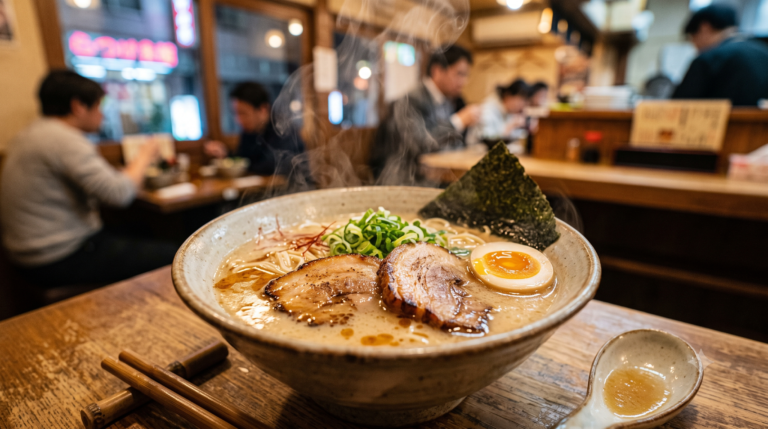
    Originating from Hakata, Fukuoka in Kyushu, tonkotsu ramen is made from pork bones boiled at high heat for hours until the broth turns a milky white with an intensely rich, creamy flavor. It pairs with thin, straight noodles (specify your firmness) and typically comes topped with chashu pork, green onions, pickled ginger (紅生姜), and sesame seeds.

    🏆 Flavor Profile: Rich, creamy, porky, slightly funky | Broth base: Pork bones | Noodle type: Thin, straight | Origin: Fukuoka, Kyushu

    Where to try in Tokyo: Ichiran (一蘭) — with individual booths for solo dining — Ippudo (一風堂), and Shin-Shin (しんしん) are benchmark experiences. Ichiran has English-friendly ordering systems and locations across Japan, making it the go-to for first-timers.

    2. Shoyu Ramen (醤油ラーメン) — Tokyo Style

    Shoyu (soy sauce) ramen is considered the classic Tokyo style, with a clear, amber-colored broth made from chicken or pork stock seasoned with soy sauce. The flavor is savory, slightly salty, and more delicate than tonkotsu. Curly or wavy noodles (medium thickness) are standard, topped with chashu, menma (bamboo shoots), naruto (fish cake), and nori.

    🏆 Flavor Profile: Savory, salty, clear and elegant | Broth base: Chicken/pork + soy sauce | Noodle type: Medium, curly | Origin: Tokyo

    Where to try: Fuunji (風神) in Shinjuku is renowned for its shoyu tsukemen variant. Kagari (かがり) in Ginza serves a luxurious chicken paitan shoyu, consistently among Tokyo’s most praised bowls. Classics like Taishoken (大勝軒) have historical significance as originators of modern Tokyo ramen.

    3. Miso Ramen (味噌ラーメン) — Sapporo Style

    Miso ramen was invented in Sapporo, Hokkaido in the 1950s and became one of Japan’s iconic regional flavors. The broth combines pork or chicken stock with fermented soybean paste (miso), creating a hearty, robust, slightly sweet flavor that’s perfect for Hokkaido’s cold winters. Thick, wavy noodles hold up well to the rich soup, and toppings typically include corn, butter, bean sprouts, ground pork, and green onions.

    🏆 Flavor Profile: Rich, umami-forward, hearty, slightly sweet | Broth base: Miso + pork/chicken | Noodle type: Thick, wavy | Origin: Sapporo, Hokkaido

    Where to try: In Sapporo, Ramen Yokocho (ラーメン横丁) — a narrow alley of 17 small ramen shops — is the must-visit destination. In Tokyo, try Baikohken (麦香軒) or visit the Ramen Museum in Shin-Yokohama, which has a permanent Sapporo miso ramen stand. The butter-corn-miso combination is Hokkaido’s gift to the world.

    4. Shio Ramen (塩ラーメン) — Salt Style

    Shio (salt) ramen is the lightest and most delicate of Japan’s major ramen styles. The broth — typically made from chicken, seafood (especially in coastal regions), or pork — is seasoned purely with salt, resulting in a pale golden, crystal-clear soup that lets the subtle flavors of the stock shine through. Thin noodles are standard. Originally from Hakodate, Hokkaido (Japan’s oldest city), it’s beloved for its clean, elegant taste.

    🏆 Flavor Profile: Light, clean, delicate, seafood-forward | Broth base: Chicken/seafood + salt | Noodle type: Thin, straight | Origin: Hakodate, Hokkaido

    Where to try: In Hakodate, Hakodate Menmitsu (函館麺ミッツ) and Lucky Pierrot (the iconic local chain) serve authentic shio. In Tokyo, Afuri (阿夫利) is famous for its yuzu shio ramen — the bright citrus notes elevate the delicate broth to something extraordinary. Multiple Afuri locations exist in Tokyo, including Ebisu and Harajuku.

    5. Tsukemen (つけ麺) — Dipping Noodles

    Tsukemen is a modern Japanese invention (created in Tokyo in 1961) where noodles are served cold or room-temperature on the side, and you dip them into a separate, concentrated hot broth before eating. The dipping broth is typically richer and more intense than regular ramen broth since it’s meant to coat each bite of noodle rather than be sipped as soup. Thick noodles that hold up to repeated dipping are essential.

    🏆 Flavor Profile: Intense, concentrated, complex | Broth base: Concentrated shoyu or pork | Noodle type: Thick, chewy | Origin: Tokyo

    Where to try: Fuunji (風神) in Shinjuku has some of the longest queues in Tokyo for its tsukemen — arrive early. Rokurinsha (六厘舎) at Tokyo Station is another legendary spot, famous for ultra-thick noodles and rich fish-based broth. Both offer exceptional value at under ¥1,200. After finishing the noodles, ask for wari-soup (割りスープ) — diluting stock to drink the remaining dipping broth — it’s part of the ritual.

    Best Ramen Chains for Tourists in Japan

    For first-time visitors, chain restaurants offer a consistent, tourist-friendly experience with English menus, vending machines, and no language barrier anxiety. Here are the top chains with locations across Japan:

    Chain Style Price Range Tourist-Friendly
    Ichiran (一蘭) Tonkotsu ¥900–¥1,500 ★★★★★ English menu, solo booths
    Ippudo (一風堂) Tonkotsu ¥1,000–¥1,600 ★★★★★ English menu, international locations
    Afuri (阿夫利) Yuzu Shio ¥1,100–¥1,800 ★★★★ English menus, Harajuku/Ebisu
    Fujiyama55 (富士山55) Shoyu/Tonkotsu ¥800–¥1,200 ★★★★ Budget-friendly, Tokyo Shinjuku
    Shin-Yokohama Ramen Museum Multiple styles ¥900–¥1,500 ★★★★★ 8 famous regional shops under one roof

    Ramen Etiquette: Do’s and Don’ts

    Ramen culture in Japan has its own unwritten rules. Getting them right will help you fit in — and make the experience more enjoyable.

    ✅ Do’s

    • Slurp loudly — Slurping is not rude in Japan; it’s a sign you’re enjoying the food and actually helps cool the noodles as you eat
    • Eat fast — Ramen is meant to be eaten quickly before the noodles get soggy. Finishing within 15–20 minutes is ideal
    • Order extra noodles (替え玉) — At many tonkotsu shops, you can order extra noodles for ¥100–¥200 to add to your remaining broth
    • Use both hands — Hold the bowl with one hand and chopsticks with the other; it’s good form
    • Customize at the machine — Don’t be shy about customizing your order (noodle firmness, broth richness, etc.)

    ❌ Don’ts

    • Don’t add ketchup or unusual condiments — The chef has crafted the broth; trust the recipe
    • Don’t linger after finishing — Ramen shops have limited seating and high demand; eat and make room for others
    • Don’t talk loudly or on your phone — Many traditional ramen bars have a contemplative atmosphere
    • Don’t skip the vending machine — Ordering at the counter instead of the machine causes confusion at many traditional shops
    • Don’t waste broth at tonkotsu shops — The rich broth took 18+ hours to make; it’s considered respectful to drink it

    Regional Ramen Guide: Japan’s Noodle Road Trip

    Each region of Japan has developed its own distinct ramen personality, influenced by local ingredients, climate, and history. If you’re traveling beyond Tokyo, here’s what to look for:

    Sapporo, Hokkaido (札幌)

    Signature style: Miso ramen with corn, butter, and bean sprouts. Sapporo’s cold winters drove the development of hearty, fat-forward broths. Visit Ramen Yokocho (ラーメン横丁) near Susukino Station — 17 small shops in one alley, all legendary.

    Hakodate, Hokkaido (函館)

    Signature style: Shio (salt) ramen with clear, delicate broth. Hakodate is Japan’s oldest port city and developed a lighter ramen influenced by seafood trading routes. The city’s shio broth is made with fresh seafood dashi.

    Kitakata, Fukushima (喜多方)

    Signature style: Kitakata ramen — flat, wavy, wide noodles in a light shoyu broth. This small city of 50,000 people has over 120 ramen shops and a breakfast ramen tradition unique to Japan (called 朝ラー, asa-ra).

    Fukuoka, Kyushu (福岡/博多)

    Signature style: Tonkotsu ramen — the original. The city’s busy port culture drove development of quick, filling ramen. Hakata Station’s ramen stalls and the famous Nakasu food stalls serve authentic Hakata-style bowls until 3am.

    Osaka (大阪)

    Signature style: Osaka doesn’t have one dominant ramen style but excels at tantan-men (担々麺, spicy sesame noodles) and kotteri (こってり, rich pork broth). Kinryu Ramen’s dragon-branded noodle stands near Dotonbori are an Osaka institution.

    Ramen Tips for Long-Term Expats in Japan

    Living in Japan opens up a deeper level of ramen appreciation beyond the tourist trail:

    • Follow ramen bloggers: Japanese ramen lovers are obsessive documenters. Sites like Ramen Database (ramendb.sameface.com) catalog every notable shop in Japan with ratings and maps
    • Try limited seasonal bowls: Many shops run seasonal specials — summer often brings cold ramen (冷やし中華) and winter brings heavier chintan broths
    • Visit during off-peak hours: Weekday lunch before 11:30am or after 13:30pm avoids the worst queues
    • Explore neighborhood gems: The best ramen is often found far from tourist areas — local residential neighborhoods often hide exceptional small shops
    • Join a ramen tour: Several companies offer guided ramen tours in Tokyo, including evening crawls visiting 3–4 different style shops in one night

    Frequently Asked Questions About Ramen in Japan

    Is ramen in Japan expensive?

    No — ramen is one of Japan’s most affordable dining options. A filling bowl typically costs ¥800–¥1,500 (about $5–$10 USD). Even Tokyo’s most prestigious ramen shops rarely charge more than ¥2,000 for a bowl. It’s excellent value compared to most restaurant meals.

    Are there vegetarian or vegan ramen options?

    Vegetarian ramen (ベジタリアンラーメン) is increasingly available, especially at shops in tourist areas like Shinjuku, Harajuku, and Asakusa. However, most traditional ramen broths contain pork or chicken-based dashi and aren’t vegetarian. Look for signs saying 野菜ラーメン (vegetable ramen) or visit Afuri, which offers vegan options at select locations.

    Can I find ramen that’s halal-certified?

    Halal-certified ramen is limited but growing in major cities. Naritaya in Asakusa and several shops in Akihabara offer halal options. The easiest path is to search “halal ramen Tokyo” on Google Maps, which flags certified restaurants.

    What is the etiquette around sitting at ramen counters?

    Counter seating is standard at most ramen shops. You’ll receive your bowl within 5–10 minutes of ordering. It’s normal to eat alone in silence. When you’re done, leave the bowl and chopsticks on the counter, take your paper receipt, and pay at the register near the exit.

    What should I do if I can’t read the menu?

    Point to the front of the restaurant window — many shops display their menu with photos outside. At ticket vending machines, look for a help button or ask a staff member to assist. Larger chains like Ichiran and Ippudo always have English or picture menus. Google Translate’s camera feature also works well for menus.

    Is it weird to eat ramen alone?

    Absolutely not — solo ramen eating is completely normal in Japan, and many shops actually cater specifically to solo diners with individual counter seats or partition booths (Ichiran famously pioneered the “solo dining booth”). Eating alone is never awkward in Japanese ramen culture.

  • Japan Travel Emergency Guide 2026: What to Do If You Lose Your Suica, Passport, or Have a Medical Crisis

    Japan Travel Emergency Guide 2026: What to Do If You Lose Your Suica, Passport, or Have a Medical Crisis

    Even the best-planned Japan trip can hit unexpected bumps. Losing your Suica card, getting stranded without internet, or facing a medical emergency can feel overwhelming — especially in a country where Japanese is the primary language. This guide gives you clear, step-by-step solutions for the most common travel emergencies in Japan.

    ① Lost Your Suica / IC Card — What to Do Immediately

    Card Type Recoverable? Steps
    Registered Suica (with name) ✅ Yes Go to any JR ticket window. They freeze the balance and issue a replacement card
    Anonymous Suica / PASMO ❌ No Balance is lost. Buy a new card (500¥ deposit)
    Mobile Suica (iPhone/Apple Watch) ✅ Yes Balance is tied to your Apple ID. Restore via the Wallet app on your new/same device

    Prevention tip: Register your Suica at a JR ticket window before your trip. Takes 5 minutes and protects your balance.

    ② No Internet in Japan — Free WiFi Options

    • 7-Eleven / Lawson / FamilyMart: Free WiFi (7SPOT, au WiFi, FamilyMart WiFi) — look in Settings for the network name
    • JR Stations & Subway: “Shinkansen_Free_Wi-Fi” or “Metro_Free_Wi-Fi”
    • Starbucks / McDonald’s: Free WiFi available
    • Tourist Information Centers: At major stations, English-speaking staff can help you reconnect

    ③ Medical Emergency in Japan

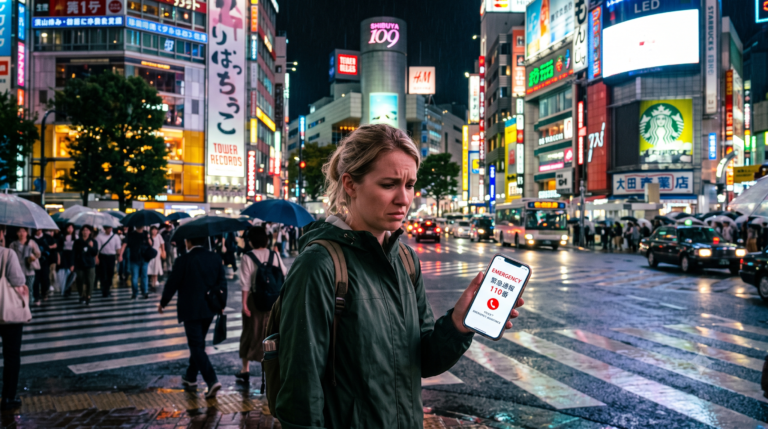
    Emergency numbers: 119 (ambulance/fire) / 110 (police)
    Operators have English interpretation available 24/7.

    Situation Number Notes
    Ambulance / Fire 119 Give your exact address. Say “I need an ambulance, I speak English”
    Police / Crime 110 Say “I need police help, I speak English”
    Japan Helpline (24h English) 0570-000-911 English crisis support for foreigners in Japan
    St. Luke’s Hospital (Tokyo) 03-5285-8181 English-speaking doctors available

    ④ Lost Passport in Japan

    Immediate steps:
    1. Report the loss at the nearest police station — get a “Fumitsu Todoke” (loss report receipt)
    2. Contact your country’s embassy in Tokyo with the receipt number
    3. The embassy will issue an Emergency Travel Document
    4. Typical timeframe: 2–5 business days

    Embassy Phone
    US Embassy Tokyo 03-3224-5000
    British Embassy Tokyo 03-5211-1100
    Australian Embassy Tokyo 03-5232-4111
    Canadian Embassy Tokyo 03-5412-6200

    ⑤ Accommodation Problems

    Problem Immediate Action
    Hotel can’t find booking Show confirmation email → Ask to speak to the manager
    Airbnb inaccessible Contact Airbnb support (app → Contact Host → Urgent Issue)
    Can’t find the ryokan Call the number on your booking confirmation and ask for directions

    Essential Apps for Safe Travel in Japan

    App Use Case
    Google Maps (offline) Navigation without internet (download Japan map before traveling)
    Google Translate (camera) Instant translation of Japanese signs and menus
    Safety Tips (official app) Official earthquake, tsunami and disaster alerts for Japan
    Japan Official Travel App Tourism information with emergency guidance section
  • wargo Kimono Rental Japan 2026: Complete Guide | Best Prices, Locations & Booking Tips

    wargo Kimono Rental Japan 2026: Complete Guide | Best Prices, Locations & Booking Tips

    Wearing a kimono is one of the most memorable experiences in Japan — and wargo makes it easy, affordable, and available in English. Whether you’re strolling through Kyoto’s bamboo groves, visiting Asakusa in Tokyo, or attending a traditional ceremony, renting a kimono from wargo transforms any sightseeing into something truly special.

    In this guide, we cover everything you need to know: pricing, how to reserve, what’s included, store locations, and tips for a perfect kimono day.

    What is wargo? Japan’s #1 Kimono Rental Service

    wargo (わごう) is one of Japan’s largest and most popular kimono rental chains, with stores in Kyoto, Tokyo, Osaka, Nara, Hiroshima, and more. They specialize in affordable, high-quality kimono rental with English-speaking staff available at many locations, making them the top choice for international visitors.

    Item Details
    Founded 2008, Kyoto
    Locations 20+ stores across Japan (Kyoto, Tokyo, Osaka, Nara, Hiroshima, Kanazawa)
    Languages Japanese, English, Chinese, Korean
    Price range From ¥3,000 (basic plan)
    Reservation Online (recommended) or walk-in
    Getting dressed Staff helps you dress — no experience needed

    wargo Kimono Rental Plans & Pricing

    wargo offers several plans to fit every budget and style preference:

    Plan Price What’s Included
    Simple Plan From ¥3,000 Kimono + obi (belt) + tabi (socks)
    Standard Plan From ¥3,500 Kimono + full accessories + hair styling
    Coordination Plan From ¥4,500 Premium kimono + full accessories + hair + styling consultation
    Furisode (Coming of age) From ¥6,000 Formal long-sleeved kimono + full accessories
    Men’s Kimono From ¥3,500 Yukata or hakama + accessories
    Couples Plan From ¥6,500 (pair) 2 kimonos + accessories + hair (discount available)

    ※Prices may vary by location and season. Check the official wargo website for the latest rates.

    5 Reasons to Choose wargo

    1. Affordable Prices Starting from ¥3,000

    Kimono rental in Japan can cost anywhere from ¥3,000 to ¥30,000+. wargo consistently offers some of the most competitive rates in the market, especially for their popular tourist-friendly plans. Hair styling and accessories are often included, making the value exceptional.

    2. English Support Available

    Many wargo locations have English-speaking staff, and their website supports English reservation. This is a huge advantage for international visitors who may feel intimidated by the kimono-dressing process.

    3. 500+ Kimono Designs to Choose From

    wargo maintains a massive inventory of kimonos in various colors, patterns, and styles — from traditional Kyoto-style to modern cute designs. Whether you want a classic look or something playful, you’ll find it here.

    4. Convenient Locations Near Top Sightseeing Spots

    wargo stores are strategically located near Japan’s most iconic destinations — walking distance from Fushimi Inari, Kiyomizudera, Arashiyama, Asakusa, and more. Rent in the morning, explore all day, return by closing time.

    5. Hair Styling Included

    Unlike many competitors, wargo includes professional hair styling in most of their plans. You’ll be camera-ready from head to toe without paying extra.

    How to Book wargo: Step-by-Step

    STEP 1: Visit the wargo official website
    STEP 2: Select your preferred location and date
    STEP 3: Choose your plan (Simple / Standard / Coordination)
    STEP 4: Select kimono design preferences (optional)
    STEP 5: Complete payment online
    STEP 6: Arrive at the store — staff will dress you in about 20-30 minutes
    STEP 7: Enjoy sightseeing! Return the kimono by the closing time.

    💡 Pro tip: Book online at least a few days in advance, especially during peak seasons (spring cherry blossom, autumn foliage, and summer festivals). Walk-ins are possible but availability is limited.

    Best Locations to Wear Your Kimono

    wargo has stores near these iconic spots:

    • Kyoto: Gion, Kinkakuji, Fushimi Inari, Kiyomizudera, Arashiyama
    • Tokyo: Asakusa/Senso-ji, Harajuku, Yanaka
    • Osaka: Dotonbori, Shinsekai
    • Nara: Nara Park (deer + kimono = perfect photo)
    • Hiroshima: Itsukushima Shrine (Miyajima island)
    • Kanazawa: Higashi Chaya geisha district

    What to Expect on the Day

    Your kimono experience at wargo typically goes like this:

    1. Arrive at your reserved time — 15 minutes early is ideal
    2. Choose your kimono from the displayed collection
    3. Get dressed by staff (takes about 20-30 minutes including hair)
    4. Take your first photos inside the shop
    5. Head out sightseeing — the entire day is yours
    6. Return by closing time (usually 5-6pm depending on location)

    PR: This article contains affiliate links.

    👘 Book Your Kimono Experience with wargo!

    Over 500 kimono designs, English support, hair styling included. Reserve online for the best availability — especially during peak seasons!

    👘 Reserve at wargo Official Site

    Summary

    wargo is hands-down the best kimono rental service for international visitors to Japan. With affordable pricing, English support, hundreds of designs, and convenient locations near top sightseeing spots, they make the kimono experience accessible and enjoyable for everyone.

    Book online in advance, choose a location near your favorite sightseeing destination, and get ready for an unforgettable day in traditional Japanese dress.

  • Ikyu.com Guide 2026: How to Book Luxury Ryokan in Japan (Tips for Foreigners)

    Ikyu.com Guide 2026: How to Book Luxury Ryokan in Japan (Tips for Foreigners)

    📝 AI-Assisted Content Notice
    This article was created with AI writing assistance. Recommendations are verified by the Japan Life Lab editorial team.

    Japan is famous for its extraordinary ryokan (traditional inns) and luxury hotels — but booking them can feel intimidating, especially if you don’t read Japanese. Ikyu.com (一休.com) is Japan’s premier luxury accommodation booking platform, trusted by discerning travelers for access to top ryokan, resort hotels, and city luxury hotels at members-only rates.

    This guide explains what Ikyu is, how it compares to booking platforms you may already know, and how foreigners can use it to access Japan’s finest stays.

    What Is Ikyu.com?

    📅 Updated July 2026: Product information, prices, and travel details in this article have been updated to reflect the latest information as of July 2026.
    Item Details
    Platform 一休.com (Ikyu) — Japan’s premium accommodation booking site
    Founded 1999 (now owned by Yahoo! Japan)
    Focus Luxury ryokan, resort hotels, high-end city hotels
    Key Benefit Member-exclusive rates — often cheaper than direct hotel booking
    English Support Limited UI — English interface available on some pages
    Payment Credit card, PayPay, and other Japanese payment methods

    Ikyu.com is not a general accommodation platform like Booking.com or Agoda. It specializes specifically in Japan’s top-tier hotels and ryokan — the kind of properties that are difficult to access through international booking platforms. The “members only” model means registered users get rates that are often 10–30% below what you’d pay booking directly with the hotel.

    Ikyu vs. Booking.com vs. Jalan vs. Rakuten Travel

    Platform Best For English UI Ryokan Specialty
    Ikyu.com Luxury ryokan, premium hotels Partial ⭐⭐⭐⭐⭐ Best
    Booking.com International travelers, general hotels Full ⭐⭐⭐
    Jalan Mid-range ryokan, Japanese audience None ⭐⭐⭐⭐
    Rakuten Travel Points earners, chain hotels Limited ⭐⭐⭐

    PR: This article contains affiliate links

    🏯 Discover Japan’s Finest Ryokan on Ikyu

    Member-exclusive rates on Japan’s top luxury ryokan and hotels. Often 10–30% below direct booking prices. Free registration.

    How to Use Ikyu as a Foreigner: Step by Step

    1. Create a free account — use an email address; Japanese phone number is helpful but not always required
    2. Search your destination — filter by area (Kyoto, Hakone, Atami, etc.) and dates
    3. Filter for English-available properties — look for properties marked “English spoken” or check individual property pages
    4. Check the meal plan — most high-end ryokan include kaiseki dinner and breakfast (look for “2食付き” = 2 meals included)
    5. Book with a credit card — Visa, Mastercard, and AMEX are widely accepted
    6. Prepare for the stay — most ryokan require you to notify them of arrival time; some send English confirmation emails

    What Makes Ryokan Worth Booking Through Ikyu

    Japan’s traditional inns (ryokan) are unlike any accommodation you’ll find outside Japan. They offer tatami-matted rooms, in-room private onsen baths (in high-end properties), multi-course kaiseki dinners served in your room, yukata robes, and a level of personalized hospitality (omotenashi) that is difficult to find even in 5-star international hotels.

    Ikyu specializes in exactly these properties. The platform curates only the top tier of ryokan, meaning properties with a strong track record of quality and service. This removes a lot of guesswork for international visitors who may not know which ryokan to trust.

    Best Ryokan Regions to Search on Ikyu

    • Hakone — most accessible from Tokyo (90 min), iconic Mt. Fuji views, private onsen
    • Kyoto (Higashiyama, Arashiyama) — most traditional atmosphere, walking distance from major temples
    • Atami / Izu Peninsula — popular weekend retreat from Tokyo, ocean-view ryokan
    • Nikko / Kinugawa — mountain setting, easy from Tokyo, classic Japanese nature
    • Kinosaki Onsen — famous onsen town in Hyogo, strolling between public baths in yukata

    PR: This article contains affiliate links

    🏯 Book Your Dream Ryokan Stay

    Top-rated ryokan with private onsen, kaiseki dinners, and genuine omotenashi hospitality — at member-exclusive rates through Ikyu.

    Final Thoughts

    Ikyu.com is the most reliable way to book Japan’s top ryokan and luxury hotels at competitive prices. While the interface is primarily in Japanese, the platform is increasingly accessible to international travelers, and the member-exclusive rates often justify the minor inconvenience of navigating some Japanese text.

    If a traditional ryokan experience is on your Japan travel list — and it absolutely should be — Ikyu is where to book it.

  • KKday Japan Review 2026: Best Tours & Activities to Book (Honest Guide)

    KKday Japan Review 2026: Best Tours & Activities to Book (Honest Guide)

    📝 AI-Assisted Content Notice
    This article was created with AI writing assistance. Product selection and recommendations are verified by the Japan Life Lab editorial team.

    Planning a trip to Japan and wondering how to book local experiences, day trips, or cultural activities without getting overwhelmed? KKday is one of the most popular booking platforms for Japan experiences — and for good reason. From ninja workshops to Mt. Fuji day trips, KKday lets you book authentic Japan experiences online in minutes.

    This guide explains what KKday is, what makes it worth using in Japan, and how to get the best deals on tours and activities.

    What Is KKday?

    Item Details
    Platform KKday — Asia’s #1 Experience Booking Platform
    Founded 2014, Taiwan (now covers 90+ countries)
    Japan Activities 5,000+ experiences across Japan
    Languages English, Chinese, Korean, Japanese, and more
    Booking Instant confirmation in most cases
    Payment Credit card, PayPal, and more

    KKday is an online marketplace where local operators list their tours, workshops, and experiences. Think of it as “Airbnb for activities” — instead of accommodation, you’re booking a ninja class, a sushi-making workshop, or a private day trip to Nikko. The platform is English-friendly, making it especially useful for travelers who don’t speak Japanese.

    Why Use KKday in Japan? (vs. Booking Directly)

    Japan has thousands of amazing local experiences, but many small operators only have Japanese websites. KKday bridges this gap:

    • English interface & customer support — no need to navigate Japanese-only booking sites
    • Instant confirmation — most bookings are confirmed within minutes
    • Curated reviews from real travelers — filter by experience type, duration, and budget
    • Exclusive deals not available elsewhere — KKday often has promotional pricing below direct booking prices
    • Easy cancellation policies — many activities offer free cancellation up to 24-48 hours before

    PR: This article contains affiliate links

    🎌 Browse Japan Experiences on KKday

    5,000+ Japan activities from ninja workshops to Mt. Fuji day trips. English booking, instant confirmation, easy cancellation.

    Best Japan Experiences to Book on KKday

    🥷 Cultural Workshops (Tokyo & Kyoto)

    These are the most popular KKday bookings for Japan visitors. Ninja experience, samurai sword lessons, tea ceremony, origami, and kimono rental with photo sessions are consistently top-rated. Most run 60–120 minutes and are beginner-friendly with English instructors.

    🗻 Day Trips from Tokyo

    Mt. Fuji and Hakone day trips are among KKday’s best sellers in Japan. You get a guided experience with English commentary, hotel pickup, and flexible cancellation — things that are much harder to arrange independently.

    🍣 Food Experiences

    Sushi-making classes, ramen cooking workshops, and Tsukiji market tours regularly appear in KKday’s top-rated Japan experiences. These are especially popular for families and food lovers who want to go beyond restaurants.

    🚂 JR Pass & Transportation Tickets

    KKday also sells JR Passes, ICOCA cards, and airport limousine tickets — often at competitive prices with convenient home delivery or pickup at the airport.

    How to Book on KKday: Step by Step

    1. Search your activity — use filters for city, date, duration, and category
    2. Read reviews — look for recent reviews that mention English-friendliness
    3. Check cancellation policy — most popular activities offer free cancellation
    4. Select date and number of participants
    5. Pay securely online — card, PayPal, or Apple Pay
    6. Receive voucher by email — show on your phone at the venue

    Pros and Cons of KKday

    ✅ Pros

    • English-friendly platform
    • Huge variety of Japan-specific experiences
    • Competitive pricing & exclusive deals
    • Instant confirmation on most bookings
    • Flexible cancellation on many activities
    ⚠️ Cons

    • Quality varies by operator
    • Some popular activities sell out quickly
    • Refund processing can take several days

    PR: This article contains affiliate links

    🎌 Book Your Japan Experience Today

    Don’t miss out — popular activities sell out fast, especially during peak seasons. Book in advance and get the experience you really want.

    Final Thoughts

    KKday has become an essential travel tool for Japan visitors who want to book cultural experiences, day trips, and activities without the language barrier. The English interface, instant confirmation, and wide range of options make it especially valuable for first-time Japan visitors.

    Whether you’re planning a ninja class in Tokyo or a sake brewery tour in Kyoto, KKday is worth checking before booking anything independently.

  • Best Japanese Summer Festivals 2026: Top 7 Matsuri You Must Experience

    Best Japanese Summer Festivals 2026: Top 7 Matsuri You Must Experience

    Best Japanese Summer Festivals 2026: The Ultimate Guide for Tourists

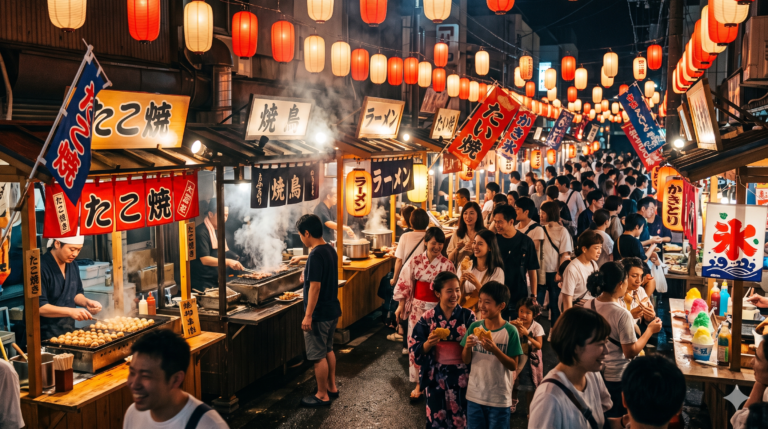
    Japanese summer festivals (夏祭り / Natsu Matsuri) are among the most spectacular cultural experiences Japan has to offer. From July through August, thousands of festivals light up cities and villages across the country — featuring fireworks (hanabi), traditional dances (Bon Odori), elaborate floats, street food stalls, and the iconic yukata-clad crowds that make Japanese summers unforgettable.

    2026 is shaping up to be a landmark year for Japanese summer festivals, with many major events returning to full scale after years of scaled-back celebrations. Whether you’re planning your first trip to Japan or looking for off-the-beaten-path experiences, this guide covers the best matsuri to add to your summer itinerary.

    Top 7 Japanese Summer Festivals Not to Miss in 2026

    1. Sumidagawa Fireworks Festival (東京隅田川花火大会) — Tokyo

    When: Last Saturday of July 2026 | Location: Along the Sumida River, Tokyo

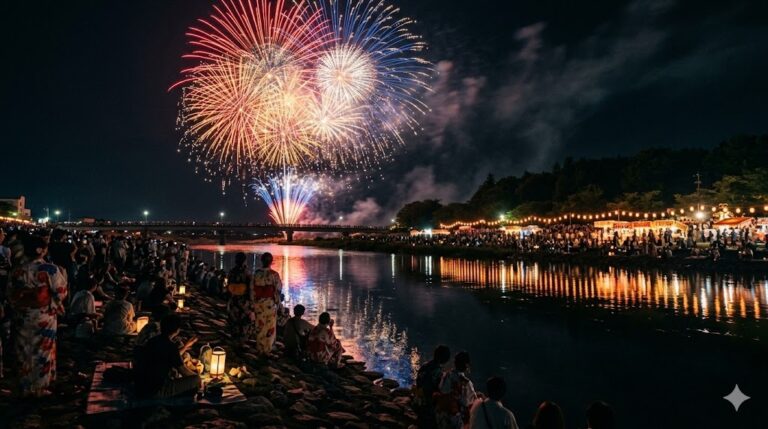
    The granddaddy of Japanese fireworks festivals. Dating back to 1733, the Sumidagawa Hanabi is one of Japan’s oldest and most beloved fireworks shows, launching approximately 20,000 fireworks over two competition sites along the Sumida River. Viewing spots fill up hours in advance, so arrive early or book a restaurant with river view. The surrounding streets of Asakusa transform into an enormous street market with festival food and yukata-clad crowds.

    Best Viewing Spots: Komagata / Kototoibashi area (free, but arrive 2+ hours early) | Skytree observation deck (tickets required) | Restaurant packages along the river (book 3+ months in advance)

    2. Gion Matsuri (祇園祭) — Kyoto

    When: All of July 2026 (main events July 17 & 24) | Location: Central Kyoto

    Kyoto’s most famous festival and one of Japan’s three great festivals (三大祭). The highlight is the Yamaboko Junko (山鉾巡行) — a procession of enormous decorated floats (some over 25 meters tall) parading through central Kyoto on July 17 and 24. The “Yoiyama” evening street festival on July 14-16 and 21-23 fills downtown Kyoto streets with food stalls, lanterns, and viewing of the floats up close. July in Kyoto is hot and humid, so plan accordingly.

    Best Viewing: Shijo-Karasuma intersection for the procession | Yoiyama evenings for street food and atmosphere

    3. Nebuta Festival (ねぶた祭) — Aomori

    When: August 2-7, 2026 | Location: Aomori City, Tohoku

    The Aomori Nebuta is one of Japan’s most visually stunning festivals — enormous illuminated paper lantern floats (some 9 meters tall and weighing over 4 tons) depicting warriors, gods, and mythological scenes are paraded through the city each night. The haunting sound of taiko drums and flutes fills the air as dancers called “Haneto” (跳人) in colorful costumes surround the floats. Aomori’s night sky lights up with the glowing giants while massive crowds cheer.

    Getting There: Aomori from Tokyo via Tohoku Shinkansen (approximately 3 hours). Book accommodation many months in advance — the city fills up completely during festival week.

    4. Awa Odori (阿波踊り) — Tokushima

    When: August 12-15, 2026 | Location: Tokushima City, Shikoku

    Japan’s largest dance festival, where over 100,000 dancers perform the signature “Awa Odori” dance through the streets of Tokushima. The dance style features hypnotic arm-waving movements and a distinctive high-stepping gait, accompanied by shamisen, taiko, and kane bells. Audience members are actively invited to join the dancing — “Odoru aho ni miru aho, onaji aho nara odorana son son” (Fools who dance and fools who watch are equally foolish, so you might as well dance) is the festival motto.

    5. Tanabata Festival (七夕祭り) — Sendai

    When: August 6-8, 2026 | Location: Sendai City, Miyagi

    While Tanabata (Star Festival) is celebrated nationwide on July 7, Sendai holds the largest and most spectacular Tanabata celebration in August. The city’s covered shopping arcades and streets are decorated with thousands of massive hanging paper streamers (kazari) in vivid colors, creating a tunnel of colorful decorations stretching over 3 kilometers. Each decoration is handmade and represents a wish or prayer. The festival coincides with Sendai Tanabata Fireworks (August 5, the night before) — one of Tohoku’s biggest fireworks shows.

    6. Kishiwada Danjiri Festival (岸和田だんじり祭) — Osaka

    When: September 13-14, 2026 | Location: Kishiwada City, Osaka

    The most adrenaline-charged festival in Japan: enormous wooden festival floats (danjiri) weighing up to 4 tons are pulled through narrow streets at breakneck speed by teams of men in happi coats, while a performer dances precariously on top. The speed and danger of the floats careening around tight corners is breathtaking. The festival has 300+ years of history and is one of the few remaining festivals where the speed and risk are part of the point.

    7. Nagasaki Kunchi (長崎くんち) — Nagasaki

    When: October 7-9, 2026 | Location: Nagasaki City, Kyushu

    A unique festival blending Japanese and Dutch/Chinese influences (reflecting Nagasaki’s history as Japan’s only open port during the Edo period). The highlight is the Dragon Dance — a massive cloth dragon performed by teams who make it undulate sinuously through the streets and even “swim” through water. The procession features floats representing different neighborhoods, each with their own specialty performances developed over centuries.

    What to Wear to a Japanese Summer Festival

    Attending a summer festival in yukata (浴衣) is one of the quintessential Japan experiences. Yukata are casual cotton summer kimono that are much simpler to put on than formal kimono — you can dress yourself with minimal practice. Many tourists buy or rent yukata specifically for festival season.

    Festival Essentials: What to Bring

    Portable Electric Fan

    Japanese summer festivals are hot — especially evening events where crowds pack into tight spaces. A handheld rechargeable electric fan is the single most practical item to bring. The compact models from Shizuku and Thanko that clip to bags or handheld variants are seen everywhere at Japanese festivals.

    Uchiwa (Traditional Round Fan)

    The traditional alternative: uchiwa are flat round fans often given away for free by local shops and sponsors at festivals. If you want something more substantial, decorated uchiwa with traditional patterns make both practical accessories and beautiful souvenirs.

    Festival Food Guide: What to Eat at Matsuri

    No Japanese summer festival is complete without street food. The stalls (屋台 / yatai) that line festival streets are an experience in themselves. Must-try festival foods include: Yakitori (grilled chicken skewers, ¥300-500), Takoyaki (octopus balls in batter, ¥500-700 for 6), Yakisoba (stir-fried noodles, ¥500-700), Kakigori (shaved ice with syrups, ¥300-500), Chocolate banana (bananas dipped in chocolate, ¥500), and Ramune (traditional Japanese soda in a marble bottle, ¥200-300). Budget ¥2,000-4,000 per person for a satisfying round of festival food and drinks.

    Practical Tips for Festival Attendance

    Book accommodation early: Major festivals like Nebuta and Gion Matsuri fill hotels months in advance. For summer 2026, book by March-April at the latest. Check train schedules: Festival days often see special train services and extended hours, but platforms can be dangerously crowded — check your route in advance. Bring cash: Most festival food stalls and smaller vendors are cash-only (though major events increasingly accept PayPay). Stay hydrated: Japanese summer heat + crowds = serious dehydration risk. Carry water and drink regularly. Arrive early or late: The first 30 minutes and last 30 minutes of festivals are dramatically less crowded than peak hours.

    🎌 Book Japan Tours & Experiences on KKday

    KKday offers thousands of guided tours, cultural experiences, and day trips across Japan — bookable in English with easy cancellation.

    Browse Japan Activities on KKday

    AD: This link contains affiliate advertising

    ✈️ Book Flights & Hotels for Japan Festivals【エアトリプラス】

    Planning to attend a summer matsuri? Book domestic flights and hotels in one place with エアトリプラス — one of Japan’s leading travel booking platforms. Compare prices, find early-bird deals, and travel more affordably.

    Search Flights & Hotels in Japan ▶ [AD] Affiliate link — we may earn a commission at no extra cost to you.
  • PASMO Card Japan 2026: Complete Guide for Tourists & Expats (How to Get, Use & Refund)

    PASMO Card Japan 2026: Complete Guide for Tourists & Expats (How to Get, Use & Refund)

    What Is PASMO? The Complete Guide for Tokyo Tourists & Expats (2026)

    PASMO is a rechargeable IC (Integrated Circuit) smart card used for public transportation throughout the Greater Tokyo area. Launched in 2007 by a consortium of Tokyo-area private railways, PASMO works on subways, trains, buses, and even taxis — and can also be used for shopping at convenience stores, vending machines, and participating retailers.

    In 2026, PASMO has become even more tourist-friendly with the introduction of digital PASMO for iPhone and Android, eliminating the need to carry a physical card. Whether you’re visiting Tokyo for a week or living in Japan as an expat, understanding PASMO will make getting around the city dramatically easier and cheaper than buying individual tickets.

    PASMO vs Suica: What’s the Difference?

    Many visitors wonder whether to get PASMO or Suica. The honest answer: functionally, they are nearly identical. Both work on JR trains, Tokyo Metro, Toei subway, buses, and most retailers. The main practical difference is where you buy them — PASMO is issued by private railway companies (Tokyu, Odakyu, Keio, etc.) while Suica is issued by JR East.

    If you arrive at Narita or Haneda airport and want to use the Narita Express or NEX, getting Suica at JR East counters is marginally more convenient. If you arrive via private rail like Odakyu Romancecar, getting PASMO at the station is easier. For daily use in Tokyo, either card works everywhere — just pick whichever is easiest to obtain on arrival.

    How to Get PASMO in Tokyo (2026 Step-by-Step Guide)

    Option 1: Physical PASMO Card at Station Ticket Machines

    Physical PASMO cards are available at ticket machines and service counters at most private railways in Tokyo. Look for the PASMO logo on the machine. The process takes under 2 minutes:

    Step 1: Select “PASMO” or “IC Card” on the ticket machine touchscreen (usually available in English). Step 2: Choose “New PASMO” and select whether you want a named card (requires ID) or unnamed card. Step 3: Insert ¥500 as a deposit (refundable when you return the card) plus your desired initial charge (minimum ¥1,000, maximum ¥20,000 per charge). Step 4: Collect your new PASMO card. You’re ready to tap and go.

    Option 2: Digital PASMO on iPhone / Android

    Since 2020 (iPhone) and 2023 (Android), you can add PASMO directly to Apple Wallet or Google Wallet without a physical card. This is the most convenient option for most tourists in 2026:

    Open Wallet app (iPhone) or Google Wallet (Android) → Tap “+” → Search for PASMO → Follow setup instructions → Add money via credit card. Your digital PASMO lives in your phone and works by holding the phone near the IC reader at station gates. No deposit required.

    Option 3: Tourist PASMO (1-Day / 2-Day / 3-Day Pass)

    For short-stay tourists, PASMO Passport (Tourist IC Card) offers unlimited rides on Tokyo Metro for 24, 48, or 72 hours — priced at ¥600, ¥1,200, and ¥1,500 respectively. Available at Tokyo Metro counters at Narita Airport, Haneda Airport, and major stations. This makes sense if you plan to take many subway rides in a short time.

    How to Use PASMO (Trains, Buses, Shopping)

    At Train & Subway Stations

    Using PASMO at train stations is beautifully simple: hold your card (or phone/watch with digital PASMO) against the IC reader on the ticket gate. Green light = entry. The fare is automatically deducted based on your destination. Tap again when you exit at your destination station. No need to buy tickets, no need to figure out fares — PASMO handles everything.

    On Buses

    For Tokyo buses, tap your PASMO on the reader when boarding (flat fare buses) or when boarding and alighting (distance-based fare buses). The driver will usually indicate which method applies.

    At Convenience Stores & Shops

    PASMO works as a contactless payment method at 7-Eleven, FamilyMart, Lawson, McDonald’s, Starbucks, and thousands of other participating shops. Simply hold your card or phone at the payment terminal when prompted. It’s faster than cash and eliminates the need to carry coins.

    Topping Up Your PASMO (Charging / Recharging)

    When your balance gets low (the gate display shows your remaining balance), topping up is straightforward: Find any ticket machine displaying the PASMO logo → Select “Charge” or “Add Money” → Insert cash (¥1,000–¥10,000 accepted, up to ¥20,000 balance) → Collect your card. For digital PASMO, add money through the app with a credit card.

    You can also set up Auto Charge (自動チャージ) at JR East and some private railways — your card automatically tops up when the balance falls below ¥1,000. This is linked to a credit card and requires a named PASMO with Japanese address.

    Best Accessories for Using PASMO & IC Cards in Japan

    IC Card Holder / Passport Case

    The most practical Japan travel accessory: a slim card holder that lets you tap your PASMO without removing it from your bag or wallet. The best ones hang from a lanyard or clip to a bag strap, letting you tap the gate in one motion. Look for models with RFID shielding to prevent accidental charges.

    Portable Charger (for Digital PASMO Users)

    If using digital PASMO on your iPhone or Android, a dead phone means you can’t enter train stations — a travel nightmare. A compact 10,000mAh power bank keeps you charged for 2+ days of travel. Anker’s compact 622 and 633 models are the most popular among Japan tourists in 2026.

    PASMO Refund: How to Get Your ¥500 Deposit Back

    When leaving Japan, you can return a physical PASMO and get the ¥500 deposit back plus any remaining balance (minus a ¥220 handling fee). Return it at any ticket counter (not machine) at a private railway station. Bring the card and ask for a “PASMO return” (パスモ返却 / Pasumo henkyaku). Note: the ¥220 fee means it’s not worth returning if you plan to visit Japan again — just keep the card for your next trip.

    Common PASMO Questions (FAQ)

    Can I use PASMO at Shinkansen (bullet train)?

    No — PASMO and Suica cannot be used to pay for Shinkansen seats. You need a Shinkansen ticket or Japan Rail Pass. However, PASMO can be used on regular JR local trains.

    Does PASMO work in Kyoto and Osaka?

    Yes! PASMO (and Suica) can be used on subways and buses in Osaka, Kyoto, Nagoya, and most major Japanese cities. The cards are accepted nationwide on most transit systems.

    What if I lose my PASMO?

    For a named (registered) physical PASMO, the balance is protected and can be transferred to a new card — report it lost at any station service counter. For digital PASMO, if you lose your phone, report it via Apple/Google account and the card is suspended remotely. Unnamed physical cards have no loss protection.

    Can tourists use PASMO?

    Yes — both physical PASMO and digital PASMO are available to tourists. The “PASMO Passport” tourist IC card is specifically designed for short-stay visitors with pre-loaded unlimited ride passes on Tokyo Metro.

    Summary: PASMO 2026 at a Glance

    PASMO is essential for getting around Tokyo efficiently. For most tourists, the quickest option is to add digital PASMO to your iPhone or Android at the airport before heading to the city. For those who prefer physical cards, the ¥500 deposit + ¥1,000 minimum top-up gets you started in minutes. Either way, PASMO will become your best travel companion in Japan — tapping your way through stations, buses, and convenience stores with effortless ease.

    ✈️ Explore Japan by Train + Flight Combo【エアトリプラス】

    Using PASMO for local transit? For longer journeys, エアトリプラス lets you compare and book domestic flights + hotels in one go. Great for day trips beyond the IC card network.

    Compare Japan Flights & Hotels ▶ [AD] Affiliate link — we may earn a commission at no extra cost to you.

✈️ Travel in Japan

Travel guides, destinations, and tips for visiting Japan

30 guides available
Best Japanese Izakaya Guide 2026 | How to Order, Eat & Drink Like a Local
Travel in Japan

Best Japanese Izakaya Guide 2026 | How to Order, Eat & Drink Like a Local

What Is an Izakaya? Japan’s Ultimate Social Dining Experience If you’ve ever wandered through Japan’s glowing city streets at night and spotted warm, lively restaurants with red lanterns and the sound of clinking glasses and laughter spilling out — you’ve found an izakaya (居酒屋). Literally translating to “stay-sake-shop,” an izakaya is Japan’s answer to the […]

Read more →
Best Day Trips from Tokyo 2026: Top 5 Easy Escapes for Tourists & Expats
Travel in Japan

Best Day Trips from Tokyo 2026: Top 5 Easy Escapes for Tourists & Expats

Why Day Trips from Tokyo Are a Must-Do in 2026 Tokyo is endlessly fascinating — but Japan’s exceptional rail network means you can escape the city, explore somewhere completely different, and be back in your hotel before midnight. In 2026, day trips from Tokyo remain one of the most searched activities for tourists and long-term […]

Read more →
Best Japanese Souvenirs 2026 | Top 5 Omiyage Picks Tourists Love
Travel in Japan

Best Japanese Souvenirs 2026 | Top 5 Omiyage Picks Tourists Love

📝 AI-Assisted Content Notice This article was created with AI writing assistance (ChatGPT, Claude, etc.). Product selection, specifications, and reviews are verified by the Japan Life Lab editorial team. Navi I’m heading to Japan soon — what souvenirs should I actually buy? There’s so much to choose from! Gaje Japan has the best omiyage (gift […]

Read more →
Best Japanese Ramen Guide 2026 | 5 Must-Try Styles for Tourists & Expats
Travel in Japan

Best Japanese Ramen Guide 2026 | 5 Must-Try Styles for Tourists & Expats

Introduction: Why Ramen is Japan’s Soul Food Few foods define Japan’s culinary identity like ramen (ラーメン). What started as Chinese-influenced noodle soup became, over decades, one of the world’s most celebrated comfort foods — with Japan taking it to extraordinary heights of craftsmanship and regional diversity. Today, Japan has over 30,000 ramen restaurants, and the […]

Read more →
Japan Travel Emergency Guide 2026: What to Do If You Lose Your Suica, Passport, or Have a Medical Crisis
Travel in Japan

Japan Travel Emergency Guide 2026: What to Do If You Lose Your Suica, Passport, or Have a Medical Crisis

Even the best-planned Japan trip can hit unexpected bumps. Losing your Suica card, getting stranded without internet, or facing a medical emergency can feel overwhelming — especially in a country where Japanese is the primary language. This guide gives you clear, step-by-step solutions for the most common travel emergencies in Japan. ① Lost Your Suica […]

Read more →
wargo Kimono Rental Japan 2026: Complete Guide | Best Prices, Locations & Booking Tips
Travel in Japan

wargo Kimono Rental Japan 2026: Complete Guide | Best Prices, Locations & Booking Tips

Wearing a kimono is one of the most memorable experiences in Japan — and wargo makes it easy, affordable, and available in English. Whether you’re strolling through Kyoto’s bamboo groves, visiting Asakusa in Tokyo, or attending a traditional ceremony, renting a kimono from wargo transforms any sightseeing into something truly special. In this guide, we […]

Read more →
Ikyu.com Guide 2026: How to Book Luxury Ryokan in Japan (Tips for Foreigners)
Travel in Japan

Ikyu.com Guide 2026: How to Book Luxury Ryokan in Japan (Tips for Foreigners)

📝 AI-Assisted Content NoticeThis article was created with AI writing assistance. Recommendations are verified by the Japan Life Lab editorial team. Japan is famous for its extraordinary ryokan (traditional inns) and luxury hotels — but booking them can feel intimidating, especially if you don’t read Japanese. Ikyu.com (一休.com) is Japan’s premier luxury accommodation booking platform, […]

Read more →
KKday Japan Review 2026: Best Tours & Activities to Book (Honest Guide)
Travel in Japan

KKday Japan Review 2026: Best Tours & Activities to Book (Honest Guide)

📝 AI-Assisted Content NoticeThis article was created with AI writing assistance. Product selection and recommendations are verified by the Japan Life Lab editorial team. Planning a trip to Japan and wondering how to book local experiences, day trips, or cultural activities without getting overwhelmed? KKday is one of the most popular booking platforms for Japan […]

Read more →
Best Japanese Summer Festivals 2026: Top 7 Matsuri You Must Experience
Travel in Japan

Best Japanese Summer Festivals 2026: Top 7 Matsuri You Must Experience

Best Japanese Summer Festivals 2026: The Ultimate Guide for Tourists Japanese summer festivals (夏祭り / Natsu Matsuri) are among the most spectacular cultural experiences Japan has to offer. From July through August, thousands of festivals light up cities and villages across the country — featuring fireworks (hanabi), traditional dances (Bon Odori), elaborate floats, street food […]

Read more →
PASMO Card Japan 2026: Complete Guide for Tourists & Expats (How to Get, Use & Refund)
Travel in Japan

PASMO Card Japan 2026: Complete Guide for Tourists & Expats (How to Get, Use & Refund)

What Is PASMO? The Complete Guide for Tokyo Tourists & Expats (2026) PASMO is a rechargeable IC (Integrated Circuit) smart card used for public transportation throughout the Greater Tokyo area. Launched in 2007 by a consortium of Tokyo-area private railways, PASMO works on subways, trains, buses, and even taxis — and can also be used […]

Read more →
Japan Street Food Guide 2026: 20 Must-Try Foods & Where to Find Them
Travel in Japan

Japan Street Food Guide 2026: 20 Must-Try Foods & Where to Find Them

Japan’s street food scene is one of the most exciting and delicious in the world. From Osaka’s takoyaki-lined alleys to Tokyo’s shrine festival stalls, discovering Japan one bite at a time is an essential part of any trip. This guide covers 20 must-try Japanese street foods, where to find them, what they cost, and exactly […]

Read more →
Japan Summer Festivals 2026: Complete Guide to Hanabi, Matsuri & Obon (Top 10 Events)
Travel in Japan

Japan Summer Festivals 2026: Complete Guide to Hanabi, Matsuri & Obon (Top 10 Events)

Summer in Japan is festival season! From spectacular fireworks shows to ancient Obon traditions, Japanese summer festivals (matsuri) offer some of the most authentic cultural experiences you can have as a visitor or expat. In 2026, thousands of festivals are taking place across Japan between July and August — here is your complete guide to […]

Read more →
Japan Summer Festivals 2026: The Ultimate Matsuri Guide (Gion, Obon, Nebuta & More)
Travel in Japan

Japan Summer Festivals 2026: The Ultimate Matsuri Guide (Gion, Obon, Nebuta & More)

📝 AI-Assisted Content Notice: This article was created with AI writing assistance. Festival dates and details are verified by the Japan Life Lab editorial team. Japan’s summer is alive with color, sound, and incredible energy — and it all centers around matsuri (festivals). From ancient religious ceremonies dating back over 1,000 years to dazzling fireworks […]

Read more →
Best Fireworks Festivals in Japan 2026 | Hanabi Guide for Tourists & Expats
Travel in Japan

Best Fireworks Festivals in Japan 2026 | Hanabi Guide for Tourists & Expats

Navi I keep hearing about “hanabi” in summer Japan — what exactly is it, and can tourists actually enjoy the festivals? Gaje Hanabi (花火) literally means “flower fire” — Japan’s summer fireworks festivals are one of the most magical experiences you can have here. Absolutely, tourists and expats are welcome, and these festivals are often […]

Read more →
Left Something on a Japanese Train? 2026 Lost & Found Guide (How to Get It Back)
Transport & IC

Left Something on a Japanese Train? 2026 Lost & Found Guide (How to Get It Back)

The doors close, the train pulls away — and you realize your phone, wallet, or umbrella is still on the seat. Heart-stopping, right? Here’s the reassuring truth: Japan has one of the best lost-and-found systems in the world. Tokyo police alone recovered around 4.5 million lost items in a recent year, and cash is returned […]

Read more →
Japan Train Delay & Suspension Guide 2026: What to Do When Trains Stop (Delay Certificate, Refunds & Apps)
Transport & IC

Japan Train Delay & Suspension Guide 2026: What to Do When Trains Stop (Delay Certificate, Refunds & Apps)

You’re standing on a platform in Tokyo, your train isn’t moving, and an announcement crackles over the speakers — entirely in Japanese. Stressful, right? Japanese trains are famously punctual, but delays (遅延) and full suspensions (運転見合わせ) do happen, especially during the June–October rainy and typhoon season. The good news: the system is built to help […]

Read more →
Best Souvenirs to Buy in Japan 2026: Ultimate Omiyage Shopping Guide
Travel in Japan

Best Souvenirs to Buy in Japan 2026: Ultimate Omiyage Shopping Guide

The Best Souvenirs to Buy in Japan (2026 Shopping Guide) 📅 Updated July 2026: Product information, prices, and travel details in this article have been updated to reflect the latest information as of July 2026. Half the fun of a trip to Japan is bringing a piece of it home. From beautifully packaged sweets to […]

Read more →
Japan Public Transport Guide 2026: Trains, Subways, Buses & IC Cards
Travel in Japan

Japan Public Transport Guide 2026: Trains, Subways, Buses & IC Cards

Getting Around Japan: The Complete Public Transport Guide 📅 Updated July 2026: Product information, prices, and travel details in this article have been updated to reflect the latest information as of July 2026. Japan’s public transport is famously punctual, clean, and far-reaching — but for first-timers the maze of train lines, IC cards, and operators […]

Read more →
Japan Vending Machine Guide 2026: How to Use Them & What to Buy
Travel in Japan

Japan Vending Machine Guide 2026: How to Use Them & What to Buy

Japan’s Vending Machines: A Traveler’s Wonderland With roughly one machine for every 30 people, Japan has the highest density of vending machines (jidou hanbaiki) in the world. They’re on quiet mountain trails, on nearly every city corner, and inside almost every station. For first-time visitors they’re a genuine highlight — clean, reliable, and stocked with […]

Read more →
Japan Fireworks Festival Guide 2026: Best Hanabi Events, Tickets & Tips
Travel in Japan

Japan Fireworks Festival Guide 2026: Best Hanabi Events, Tickets & Tips

📝 AI-Assisted Content Notice This article was created with AI writing assistance (ChatGPT, Claude, etc.). Product selection, specifications, and reviews are verified by the Japan Life Lab editorial team. Japan’s fireworks festivals — known as hanabi taikai (花火大会) — are some of the most spectacular summer events in the world. Every year from late July […]

Read more →
Japan Typhoon Season 2026: Complete Survival Guide (Dates, Tracking & What To Do)
Travel in Japan

Japan Typhoon Season 2026: Complete Survival Guide (Dates, Tracking & What To Do)

Understanding Japan’s Typhoon Season 2026: What Every Visitor Needs to Know 📅 Updated July 2026: Product information, prices, and travel details in this article have been updated to reflect the latest information as of July 2026. Japan’s typhoon season runs from June through November, with the peak hitting between August and October. In 2026, meteorologists […]

Read more →
Japan Rainy Season 2026: The Complete Survival Guide (Tsuyu Dates, Tips & Hidden Upsides)
Travel in Japan

Japan Rainy Season 2026: The Complete Survival Guide (Tsuyu Dates, Tips & Hidden Upsides)

Japan’s Rainy Season Is Real — and Most Tourists Are Completely Unprepared Every year, millions of visitors arrive in Japan during June and early July without knowing what they’re walking into. The tourist boards don’t shout about it. The Instagram highlights don’t show it. But tsuyu (梅雨) — Japan’s rainy season — is a genuine […]

Read more →
Japan Summer Survival Guide 2026: 15 Amazon Finds That'll Save You From the Brutal Heat
Travel in Japan

Japan Summer Survival Guide 2026: 15 Amazon Finds That'll Save You From the Brutal Heat

Japan’s summer is no joke. Tokyo in August hits 35–38°C (95–100°F) with humidity above 80% — the kind of heat that saps your energy within 30 minutes outdoors. Yet millions of tourists visit Japan in summer every year and have amazing trips. The secret? The right gear. We tested and researched the best heat-survival products […]

Read more →
Japan Packing List 2026: 27 Things to Buy on Amazon Before You Land (Don't Skip #12!)
Travel in Japan

Japan Packing List 2026: 27 Things to Buy on Amazon Before You Land (Don't Skip #12!)

Planning your Japan trip? Here’s the hard truth: most travelers pack wrong. They bring things sold at every 7-Eleven in Japan while forgetting essentials that could have saved their trip. After reviewing thousands of Japan travel reports and testing products ourselves, here are 27 items to order on Amazon right now — before you board. […]

Read more →
No Internet in Japan? Complete Fix Guide for Tourists & Expats (2026)
Tech & Gadgets

No Internet in Japan? Complete Fix Guide for Tourists & Expats (2026)

Why Your Phone Might Not Work in Japan (Even With a “Good” Plan) 📅 Updated July 2026: Product information, prices, and travel details in this article have been updated to reflect the latest information as of July 2026. You land at Narita or Haneda, turn on your phone, and… nothing. Or worse — you have […]

Read more →
Japan ATM Problems 2026: Why Your Foreign Card Gets Rejected & Every Fix That Works
Money & Banking

Japan ATM Problems 2026: Why Your Foreign Card Gets Rejected & Every Fix That Works

Why Does Japan Reject Foreign Cards at ATMs? (The Real Reason) 📅 Updated July 2026: Product information, prices, and travel details in this article have been updated to reflect the latest information as of July 2026. You’re standing at a Japanese ATM, your debit card in hand, and the machine just spits it back out. […]

Read more →
Japan Budget Travel Guide 2026: How to Visit Japan for Under $50/Day
Travel in Japan

Japan Budget Travel Guide 2026: How to Visit Japan for Under $50/Day

Can You Really Travel Japan on a Budget in 2026? 📅 Updated July 2026: Product information, prices, and travel details in this article have been updated to reflect the latest information as of July 2026. Japan has a reputation for being expensive — but that reputation is outdated. While Tokyo can rival New York or […]

Read more →
Osaka vs Tokyo 2026: Which City Should You Visit First? (Honest Comparison After Living in Both)
Travel in Japan

Osaka vs Tokyo 2026: Which City Should You Visit First? (Honest Comparison After Living in Both)

It’s the most debated question in Japan travel: Osaka or Tokyo — which city should you visit first? Both are world-class destinations with completely different personalities. Tokyo is a hyper-modern megalopolis; Osaka is Japan’s food capital with a warmer, more laid-back soul. We break down every factor so you can make the right call for […]

Read more →
Japan's Departure Tax Triples in July 2026: What Every Traveler Must Know Before Booking
Travel in Japan

Japan's Departure Tax Triples in July 2026: What Every Traveler Must Know Before Booking

Breaking news for anyone planning to travel to Japan in 2026: Japan is tripling its departure tax from ¥1,000 to ¥3,000 per person, effective July 1, 2026. Whether you’re a tourist, expat, or frequent traveler, this change affects every international flight out of Japan. ⚡ Quick Facts: • Old tax: ¥1,000 per person • New […]

Read more →
Japan Hidden Gems 2026: 10 Stunning Places Most Tourists Never Find (No Crowds Guaranteed)
Travel in Japan

Japan Hidden Gems 2026: 10 Stunning Places Most Tourists Never Find (No Crowds Guaranteed)

Why Japan’s Hidden Gems Are Better Than the Famous Ones Here’s a travel truth most guides won’t tell you: Japan’s most memorable experiences rarely happen at its most photographed spots. They happen in the narrow alleyways of a castle town that doesn’t appear on the top-10 lists, at a quiet hot spring inn with no […]

Read more →
NEWThe Japan Expat Starter Kit 2026 — banking, visas, 100 phrases & more in one PDF$19 $9.90 code JLL30Get it →×